
Marine Stewardship Council’s Consumer Data Shows that Seafood Choices Matter for Ocean Health
June 10, 2026 | 4 min to read
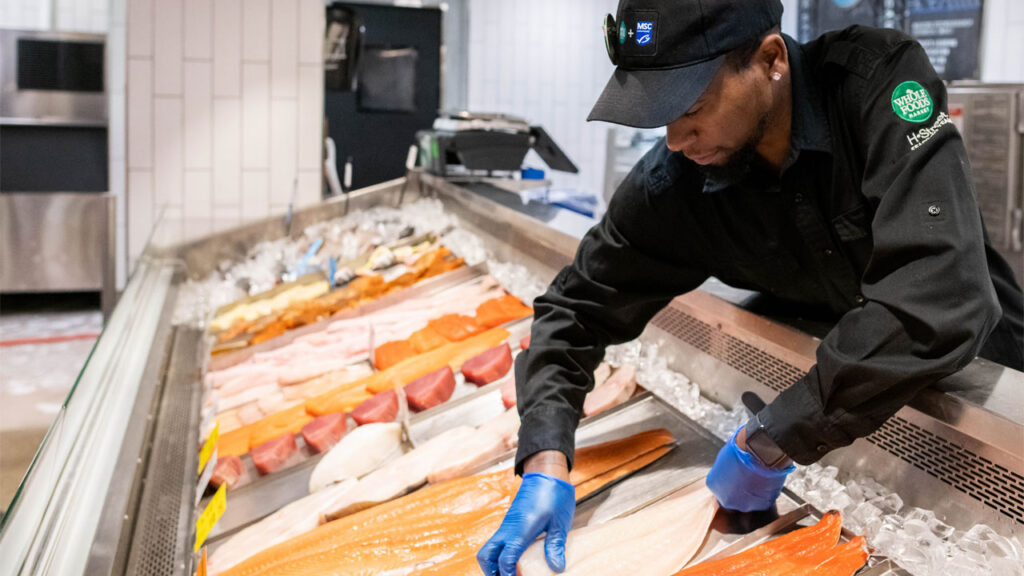
New data from the world’s largest survey of more than 20,500 seafood consumers has revealed increased awareness and optimism about the state of the world’s oceans. The consumer research was undertaken by independent research company GlobeScan commissioned by the Marine Stewardship Council (MSC), a global environmental nonprofit focused on wild fisheries sustainability. The research shows stronger belief that we will have saved the oceans from irreparable damage, compared to two years ago when the research was last conducted.
The survey results also shows that U.S. consumers are improving their understanding of challenges facing our fisheries. While 58% of Americans correctly identified that overfishing is more widespread today than it was 50 years ago, 17% wrongly thought fish populations can never recover from overfishing, and a further 25% were unsure.
Key U.S. perceptions about the ocean and sustainability include:
- 88% of U.S. seafood consumers surveyed worry about the state of the world’s oceans— down from 91% in 2024
- 51% believe in 20 years’ time we will have saved the oceans from irreparable damage— up from 41% in 2024
- 58% find buying ecolabels fits with their personal values (new response option added in 2026)
“These results are incredibly positive – consumers are more aware of challenges our oceans and fisheries face, and they also believe that, together, we can remedy them,” said Laura McDearis, U.S. Program Director, Marine Stewardship Council. “MSC is heartened to hear that consumers believe their choices matter in making a difference.”
Specifically in the U.S., seafood consumers want to do their part to protect the ocean and wild fish populations. Most common actions taken in the last year include reducing the amount of plastics used and buying seafood believed to be sustainable. 40% of seafood consumers say they notice ecolabeled products when shopping, up from 28%, showing strong support for ecolabels. Additionally, ecolabels help build trust, with 60% of seafood consumers saying that ecolabels on seafood products raise trust and confidence in the brand (up from 54%). “Sustainably sourced” is an important purchase motivator for American shoppers when it comes to seafood, right after quality, health and price.
The GlobeScan survey also specifically looks at awareness, understanding and trust of the MSC program and the MSC blue fish ecolabel. Awareness of the MSC label has increased significantly since 2024 with 35% of Americans recognizing the label, up from 28% in 2024. The Pacific and Coastal California reported the highest levels of awareness of the MSC with 45% and 46% respectively. Similarly, trust in MSC has increased to unprecedented levels, following the global trend, with consumers from New England reporting the highest level of trust.
U.S. perceptions about the MSC ecolabel include:
- 82% of MSC-aware consumers trust the MSC label—up from 73% in 2024
- 32% of seafood consumers currently have at least some understanding of the MSC label as representing seafood sustainability and certification—up from 31% in 2024
- 60% of US seafood consumers say the MSC label makes them more likely to purchase a product
“The consumer data represents a win for fisheries and businesses and all of our partners prioritizing healthy oceans and sustainable seafood for future generations. MSC will continue to raise awareness around challenges and actions for meaningful change,” continued McDearis.
In the U.S., MSC ended 2025 with impressive year-end data showing that 90% of US fisheries by volume are MSC certified, making the U.S. a global leader in sustainable fisheries, including iconic American fisheries like Alaska salmon, Pacific tuna, Louisiana blue crab, Atlantic scallops, and more.
The new data is being released on June 8—World Ocean Day—a global moment to appreciate and celebrate the ocean’s importance. 71% of the Earth is made up of the ocean, and 80% of biodiversity is contained in the ocean according to the Woods Hole Oceanographic Institution. Sustaining fishing is critical to protecting fish populations and ocean habitats while meaningfully contributing to international seafood trade, and global food security.
About the Marine Stewardship Council
The Marine Stewardship Council (MSC) is an international non-profit organization dedicated to ending overfishing and ensuring seafood supplies for the future. A pioneer in sustainable fishing standards and a trusted nonprofit advocate for ocean sustainability, the MSC program sets environmental criteria to ensure healthy fish stocks, minimal harmful impacts on ocean ecosystems, and to promote effective management. The MSC program includes the MSC Fisheries Standard, the world’s most widely used standard for environmentally sustainable wild-caught seafood, the Chain of Custody Standard for accountable supply chains, and the MSC blue fish ecolabel, which helps consumers identify seafood products that are independently verified for their sustainability claims. For more information, visit www.msc.org and @mscbluefish.