
Summer Octopus Timeout as Portugal Staggers Coastal Closures
August 7, 2025 | 1 min to read
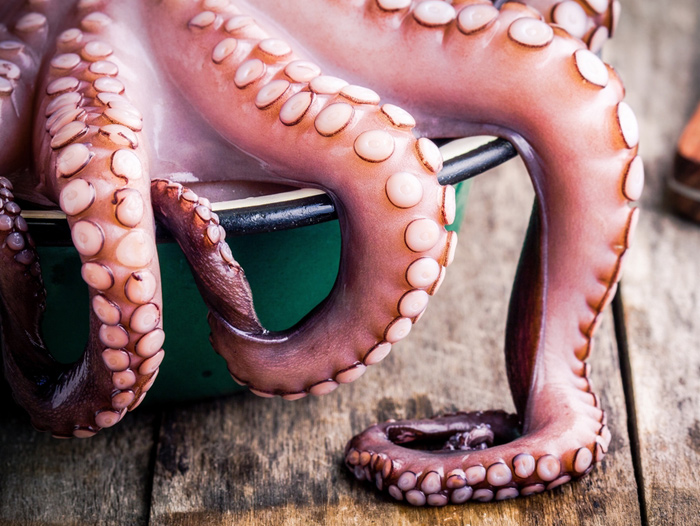
The smell of grilled polvo may soon grow rarer along Portugal’s shore, at least for a few weeks at a time. A new set of staggered closed-season rules has just kicked in, grounding the country’s small-scale trap fleet and forcing seafood lovers to hunt for legal alternatives. For foreigners who either run a beachside restaurant, keep a fishing licence, or simply crave octopus salad at the local tasca, here is what you need to know—and why the calendar looks the way it does.
Why a timeout now instead of winter?
Portuguese regulators, armed with fresh data from marine biologists, say the common octopus reproduces most intensely in mid-summer, precisely when tourist demand for the delicacy peaks. Shutting the fishery during this narrow window gives juveniles a month of undisturbed growth, a tactic known locally as defeso.
The approach mirrors Brazil’s shrimp hiatus and Spain’s hake closures, yet Portugal is unusual in splitting its coast into three separate segments so that northern, central and southern ports do not idle simultaneously. Officials at the Directorate-General for Natural Resources, Safety and Maritime Services (DGRM) argue the rotation keeps a trickle of legal product on the market while still protecting spawning grounds.
To read more, please visit The Portugal Post.