
California Enacts Reforms to Dungeness Crab Fishery Management
October 16, 2026 | 3 min to read
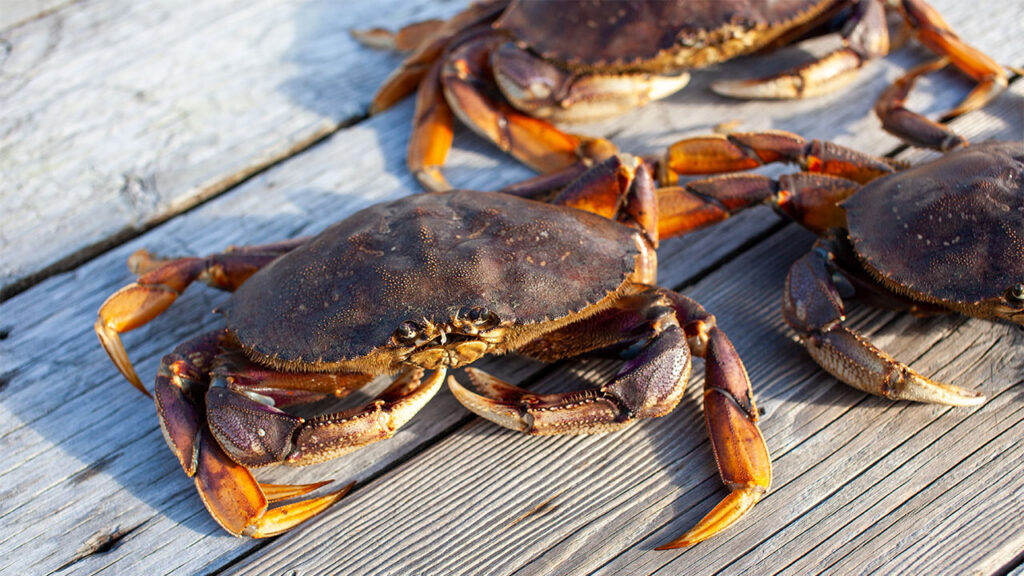
California Governor Gavin Newsom has signed Senate Bill 1393 into law, implementing several changes to the state’s Dungeness crab fishery based on recommendations from the Dungeness Crab Task Force (DCTF). Introduced by Senator Mike McGuire, the legislation addresses operational challenges facing commercial crab fishermen and extends key fishery management programs.
A major provision allows commercial fishing vessels carrying crab and traps to transit through closed fishing areas, provided they submit a notice of intent to the California Department of Fish and Wildlife (CDFW) at least 72 hours in advance. Vessels must continue through the closed area without stopping, except in emergencies such as mechanical problems.
The legislation also extends the Risk Assessment and Mitigation Program, which evaluates and addresses whale-entanglement risks associated with the fishery. The program’s sunset date has been extended from 2030 to 2040, providing additional time for continued risk assessment and mitigation efforts.
Additionally, SB 1393 establishes a Dungeness Crab Fleet program that will use unspent funds to support the DCTF and its work on fishery management recommendations.
The California Assembly passed the bill unanimously on August 25, and Governor Newsom signed it on September 27, 2026. The new law reflects continued collaboration among commercial fishing representatives and state policymakers to address regulatory challenges while maintaining efforts to protect marine wildlife and sustain California’s fishing industry.
SB 1393: Key takeaways for seafood industry members
- Closed-area transit for commercial crab vessels. Permitted vessels may transit waters closed to Dungeness crab fishing while carrying crab and traps, provided they meet specific requirements. Operators must submit a notice of intent to the California Department of Fish and Wildlife (CDFW) at least 72 hours in advance, identify the receiving fish business and port of landing, maintain continuous transit, and operate an approved electronic monitoring system. Traps must be secured and rendered unusable, including having no bait inside or attached.This may improve transportation flexibility and reduce logistical disruptions for crab vessels and the seafood businesses receiving their catch. Businesses should coordinate with suppliers to ensure transit requirements are met.
- Continued whale-entanglement risk management through 2037. The legislation extends the statutory framework for assessing and mitigating marine-life entanglement risks in the Dungeness crab fishery through January 1, 2037. CDFW retains authority to restrict fishing based on the applicable risk-assessment protocols.Entanglement-related restrictions and potential fishery delays will remain important considerations for procurement, inventory management, and seasonal supply planning.
- Continued support for the Dungeness Crab Task Force. The bill extends the task force’s statutory authorization through 2037, preserving a forum for industry stakeholders to develop and communicate recommendations on fishery management.The task force remains an important channel for commercial fishing and seafood industry perspectives on regulations and operational challenges.
- Funding for fishery coordination and management. Subject to legislative appropriation, the bill provides for funding from the Dungeness Crab Account to the Pacific States Marine Fisheries Commission, guided by a spending plan developed annually by the Dungeness Crab Task Force. The task force’s first spending plan is due by December 31, 2027.This establishes a process for supporting regional fishery-related work. The extent of funding and its practical effects will depend on available account balances and legislative appropriations.
- Changes to steelhead trout reporting and restoration. SB 1393 also revises California’s steelhead trout fishing report-restoration card program, including a late or nonreturn fee for anglers who fail to return their cards by the required deadline, and extends the program through January 1, 2032.This is primarily relevant to recreational fisheries and restoration funding, with indirect relevance to seafood businesses involved in fisheries, conservation, or related industry discussions.
- Existing fishing restrictions and permit requirements remain important. The bill extends related Dungeness crab management provisions, including restrictions on harvesting crab from closed waters and existing vessel-permit requirements. It does not eliminate the authority to close fishing areas or restrict harvests.Seafood businesses should not interpret the transit provision as permission to harvest crab in closed areas. Procurement and delivery plans must continue to account for closures, season restrictions, and legal landing requirements.
Overall significance
The most immediate operational benefit is the new option for qualifying vessels to transit closed areas under specified conditions. The broader takeaway is that seasonal supply uncertainty and marine-life protection requirements will continue to shape California Dungeness crab operations. Processors, distributors, and retailers should monitor CDFW implementation guidance and maintain close communication with fishing-vessel suppliers.