
A New Generation of Non-Dairy Milks is on the Rise
April 16, 2025 | 2 min to read
For years, the availability of non-dairy milk in cafes was rare, but now it has become mainstream, with Dunkin’ Donuts even eliminating its surcharge for these options. Popular choices like soy, almond, and oat milk dominate the market, and their rise is reflected in a plant-based milk sector projected to grow significantly, having surpassed $12 billion by 2019. This evolution highlights the transition towards complete alt-milk normalization in daily diets.
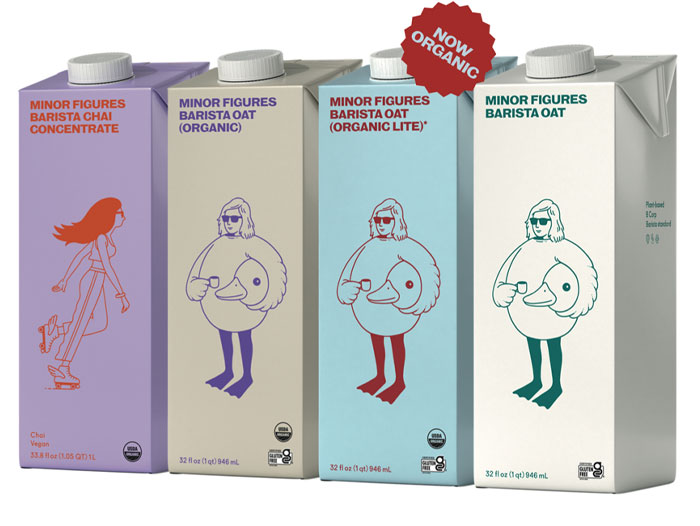
Remember the rarity of finding a café that made almond milk lattes? It was only a few years ago—okay, maybe a decade or two—that “mainstream” non dairy milk was a coffee shop novelty. Asking for an oat milk matcha or soy-cap was the punchline of a joke, and now, baristas don’t bat an eye. Just last month, Dunkin’ Donuts announced it would be be repealing the surcharge on its non-dairy milk options: That extra 50 cents saved feels like the final step towards complete alt-milk normalization. Soy, almond, and of course, oat milk are commonplace in both grocery aisles and cafes alike—and like every trend arc, we’re now starting to see a new generation of fringe dairy alternatives emerge.
Before we get into the current landscape of alt-milks, here’s a (very) brief history lesson. Soy, almond, and coconut milk have been around for centuries as dietary staples around the world. Almond milk appears referenced in medieval texts, and soy milk recipes were documented on Chinese slabs dating back to the first century. It wasn’t until the mid-aughts, however, that they started to blow up—commercially-speaking. According to Global Market Insights, by 2019 the plant-based milk market had surpassed $12 billion, with projections for non diary milk business estimating an 11% growth rate through 2026.
To read more, please visit Vogue.