
Coalition for Fisheries Transparency (CFT) Urges the APPG on Fisheries to Make Fisheries Transparency a Priority
June 8, 2026 | 6 min to read
London – On the International Day for the Fight against Illegal, Unreported and
Unregulated (IUU) Fishing, the Coalition for Fisheries Transparency (CFT) urges the APPG on Fisheries to fully include the implementation of the Global Charter for Fisheries Transparency in its Action Plan for a Thriving and Sustainable UK Fishing Industry.
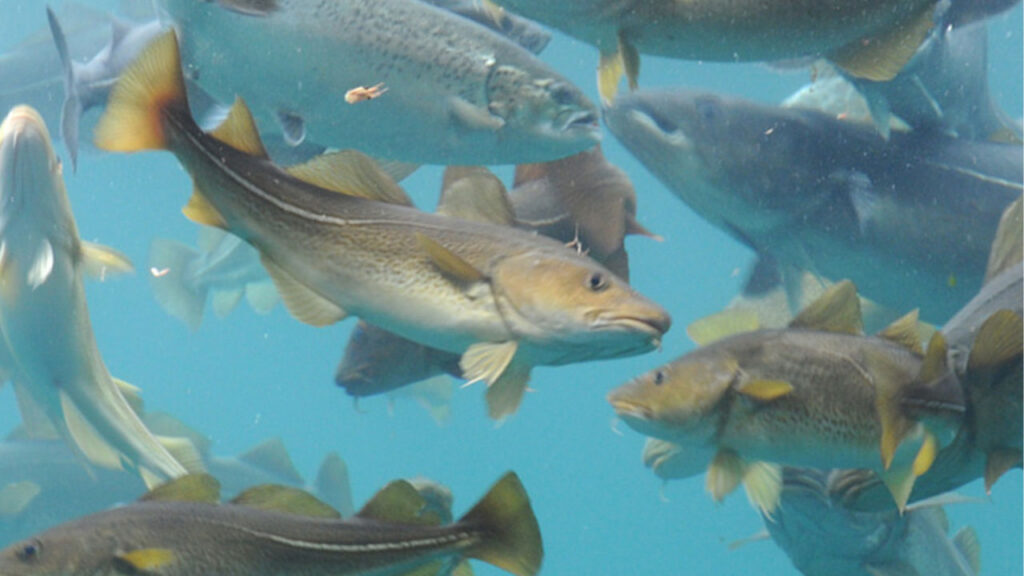
35% of global fish stocks are currently fished unsustainably. The UK is not immune to this, with cod – a staple for fish and chips – being severely depleted, and mackerel being removed from supermarket shelves due to overfishing concerns. In total, half of the UK’s top ten fish stocks are either critically low, overexploited, or both.
UK seas are not free from IUU fishing either. Serious occurrences of illegal fishing and human rights violations of crew operating in British waters have been reported in recent years. To tackle this, the CFT is calling on the All-Party Parliamentary Group (APPG) on Fisheries to ensure that transparency and accountability are at the heart of the national Action Plan it is currently developing. This is vital for the UK to lead in the fight against IUU fishing nationally and globally.
Vivien Deloge, CFT UK Coordinator, said “The UK has currently implemented two out of ten principles of the Global Charter for Fisheries for Fisheries Transparency. The APPG on Fisheries’ Action Plan is an opportunity to call for the UK to go further, in particular on beneficial ownership information, seafood traceability, transparency of activity information, and remote electronic monitoring (REM) of fishing vessels.”
Kyle Lischak, Head of UK at ClientEarth, said “A key structural challenge facing the UK fishing sector is the lack of transparency over who ultimately owns and benefits from commercial fishing activity. It is indeed often difficult to determine who ultimately owns or controls fishing vessels. Strengthening beneficial ownership transparency would support both enforcement and the long-term sustainability of the sector.”
Steve Trent, CEO at the Environmental Justice Foundation (EJF), said “The public deserve to know that the seafood they are buying is not the product of environmental destruction or bonded, forced and slave labour. Fisheries transparency is the key to establishing who has caught what, when, where, and how – without it we cannot give consumers that assurance nor hold bad actors to account. The UK is importing over a quarter of its seafood imports from the worst offending countries for illegal fishing, yet critical border checks on these imports are at record lows. The UK must urgently strengthen and increase scrutiny of the seafood it imports if the UK is to avoid becoming a dumping ground for fish tainted by illegal fishing and human rights abuses.”
Lucy Kay, Public Affairs Manager (England) at Open Seas, said “Knowing that fishing vessels licensed to fish in UK waters are operating responsibly and abiding by the rules is a key to strengthening trust in UK-sourced fish and seafood products. Publishing information on fishing vessel compliance is a low cost step that will help instill confidence that seafood from the UK is responsibly sourced. Alongside this, improving on-the-water monitoring of catches will provide better data for trusted and evidence-led fisheries management, and deter vessel operators from breaching fishing regulations, helping to tackle major issues like wasteful and illegal discarding.”
The implementation of the Global Charter for Fisheries Transparency will help ensure transparent, equitable, and well-governed fisheries, free from harmful fishing practices and human rights and labour abuses, for the benefit of people and the ocean.
The Coalition for Fisheries Transparency is a global network of more than sixty global civil society organisations that work together to improve transparency and accountability in fisheries governance and management.
ClientEarth, the Environmental Justice Foundation (EJF) and Open Seas are leading the Coalition’s efforts in the United Kingdom to accelerate the adoption of the Principles of the Global Charter for Fisheries Transparency. Their work aims to help the UK champion effective fisheries governance globally to strengthen the fight against illegal, unreported and unregulated (IUU) fishing.
The All-Party Parliamentary Group (APPG) on Fisheries is a neutral, cross-party forum for debate, discussion and learning within Parliament. The Group was founded by MPs and Peers who want to promote and support a thriving and sustainable UK fishing industry, whilst exploring key questions for the future of fishing, processing, coastal communities and the marine environment.
In April, the APPG launched a Call for Evidence, inviting input from anyone with a stake in the UK fishing industry. This evidence will help shape the cross-party Action Plan being developed by the Group, in response to industry calls for a long-term sector strategy.
In December 2017, the UN General Assembly in its annual resolution on sustainable fisheries proclaimed 5 June as the “International Day for the Fight Against Illegal, Unreported and Unregulated Fishing.”
References to facts cited above:
- An FAO report launched at the Third UN Ocean Conference, in Nice, in June 2025, shows that 35 per cent of the global fish stocks are being harvested unsustainably.
- Marine Conservation Society, 2026 Good Fish Guide, status of Atlantic cod: avoid.
- In April 2026, Waitrose became the first major UK supermarket chain to stop selling North East Atlantic mackerel due to overfishing concerns.
- Oceana’s 2025 Deep Decline report reveals that half of the top 10 commercial fish stocks on which UK fishers rely – including North Sea cod, North Sea herring, North East Atlantic mackerel and Southern North Sea edible crab – are in a critical condition, currently being overexploited, or both.
- Human and labour rights violations were reported in Northern Ireland and Scotland (see also subsequent development).