
From Naked Clams to Fish Fitness, Land-Based Aquaculture is Thinking Outside the Tank
September 19, 2024 | 1 min to read
Researchers from the Universities of Cambridge and Plymouth are exploring innovative approaches in land-based aquaculture, focusing on species diversity to strengthen the global food system. Their recent study in Nature highlights shipworms (Teredinids), previously seen as pests, now rebranded as “naked clams” and proposed as an eco-friendly superfood. Despite challenges in cultivation and market limitations, these findings signal potential growth in sustainable aquaculture practices.
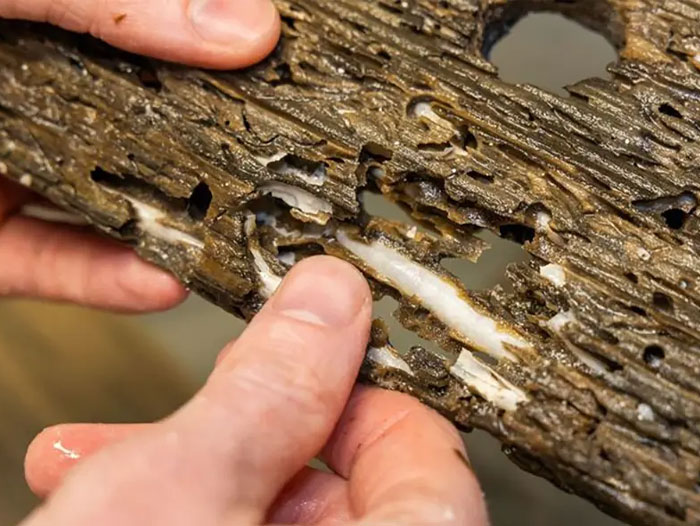
New approaches to land-based aquaculture include cultivating unusual species and implementing new health regimes
As a rapidly expanding sector in the global food industry, aquaculture stands out for its diverse range of species. Diversification can enhance the resilience of the global food system or facilitate aquaculture growth through multiple mechanisms.
With hurdles to overcome such as technical difficulties and limited markets, cultivating species diversity is no simple endeavor, but a team of researchers from the Universities of Cambridge and Plymouth in the UK are taking on the challenge. In November 2023, they published a study in the journal Nature on the potential of farming a new marine species.
Shipworms (Teredinids) are bivalves that live in and feed on wood, turning it into protein and essential nutrients. Historically, they were viewed as marine pests because they bore through any wood left in seawater, such as ships, piers and docks. Now, however, they have been renamed “naked clams” by the research team and could have a role as an eco-friendly superfood.
To read the rest of the story, please go to: Global Seafood Alliance