
Advancing Safety in the Seafood Supply Chain
August 28, 2025 | 1 min to read
Coordinated traceability initiatives, supported by IFT and international standards, are crucial in combating illegal, unreported, and unregulated (IUU) fishing, which costs the global seafood economy up to $36.4 billion annually. This practice depletes marine life and undermines trust in the seafood industry. The Global Dialogue on Seafood Traceability (GDST), established by the World Wildlife Fund and GFTC, plays a vital role in promoting a standardized approach to seafood tracking, ensuring sustainability and ethical practices.
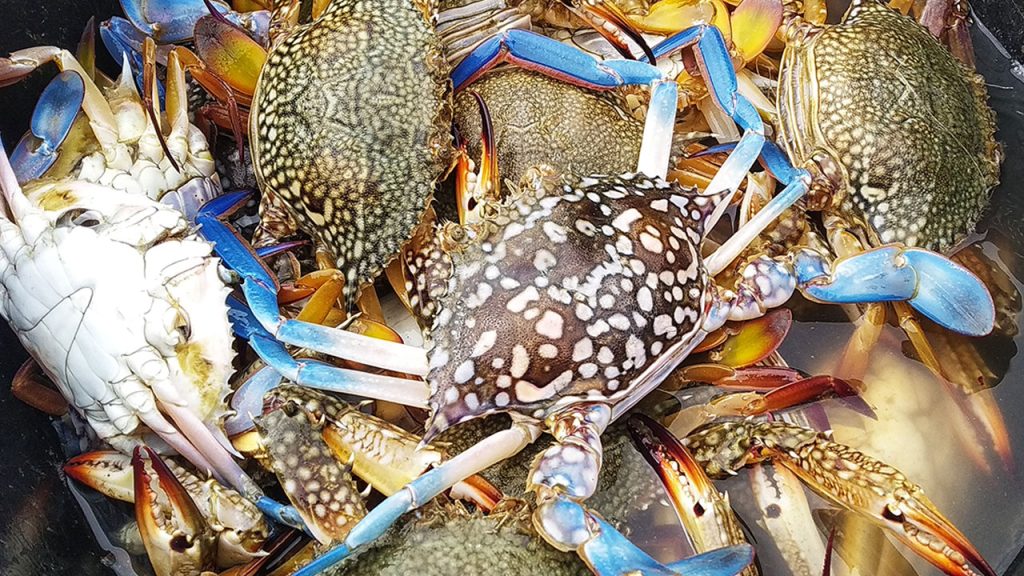
Coordinated traceability, supported by IFT and international standards, is making seafood safer, more sustainable, and better regulated worldwide.
Each year, vast quantities of seafood slip into global markets with no paperwork, no accurate catch records, and no proof of where—or how—they were caught. This illegal, unreported, and unregulated (IUU) fishing costs the global seafood economy up to $36.4 billion annually and represents roughly 20% of all wild-caught fish. The damage goes far beyond lost revenue: IUU fishing depletes marine life, destabilizes coastal economies, and erodes trust in the seafood on our plates.
Addressing this crisis requires more than local enforcement; it demands global coordination and robust traceability systems—the kind championed by the Global Dialogue on Seafood Traceability (GDST). Established in 2017 by the World Wildlife Fund and the Institute of Food Technologists’ Global Food Traceability Center (GFTC), the GDST was created to set a common language for tracking seafood through the supply chain, promoting ethical, responsible, and sustainable practices.
To read more, please visit IFT.