
This Month in Food: November is National Bread Month
November 18, 2026 | 2 min to read
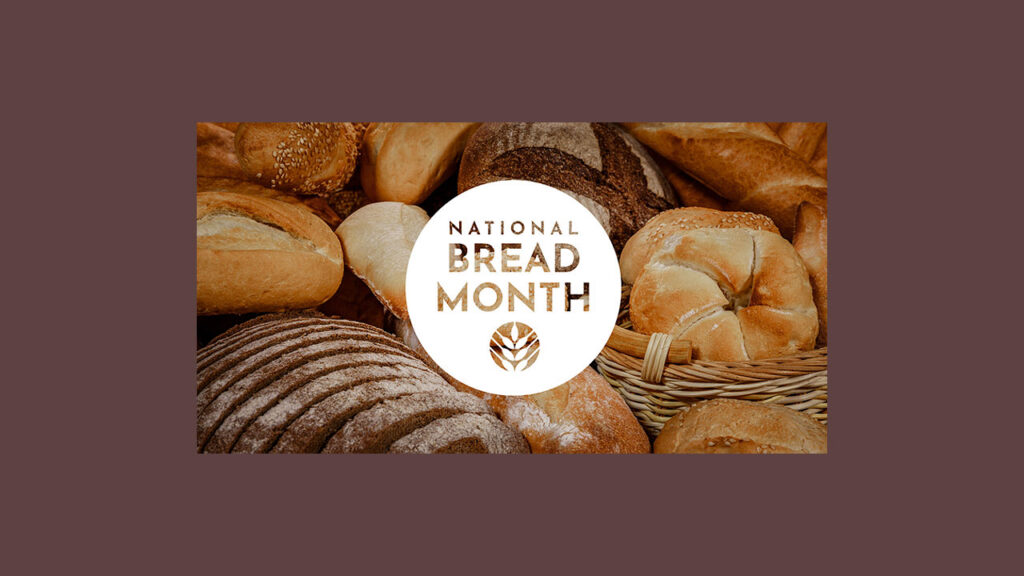
Wheat has been cultivated since the Stone Age, with its domestication beginning in the Tigris and Euphrates River Valley. Yet the industrial development of whole grain wheat flour is relatively recent, driven by recognition of the nutritional benefits of bran, germ proteins, and fiber.
Whole Grain Wheat: From Kernel to Crumb: During National Bread Month, what better time to celebrate one of the baking industry’s most important products?
From traditional sandwich loaves to hearty multigrain and artisan breads, the variety of bread available today is a testament to the versatility of wheat flour. Let’s take a closer look at whole grain wheat flour, an ingredient that brings nutrition, flavor, and character to a wide range of baked goods.
Whole grain wheat flour contains all the anatomical components of the wheat kernel, including the starchy endosperm, bran, aleurone layer, and germ. Together, these contribute to the flour’s nutritional value, flavor, color, and functionality. However, retaining these components also presents unique challenges for commercial bakers, particularly when it comes to water absorption, dough structure, and shelf life.
A few things to keep in mind with this type of flour:
- Compared with white flour, whole grain wheat flour typically requires higher water absorption due to the presence of bran.
- During mixing, bran and fiber particles can disrupt the gluten network, reducing gas retention and resulting in lower loaf volume and a denser texture.
- Achieving the right balance between nutritional benefits and bread quality requires careful formulation, with enzymes and other dough-strengthening ingredients playing an important role.
Discover more about its functionality and formulation strategies on BAKERpedia.