
U.S. Removal of Chrysanthemum White Rust From Quarantine Pest List to Help Colombian Flowers’ Competitiveness
November 12, 2026 | 2 min to read
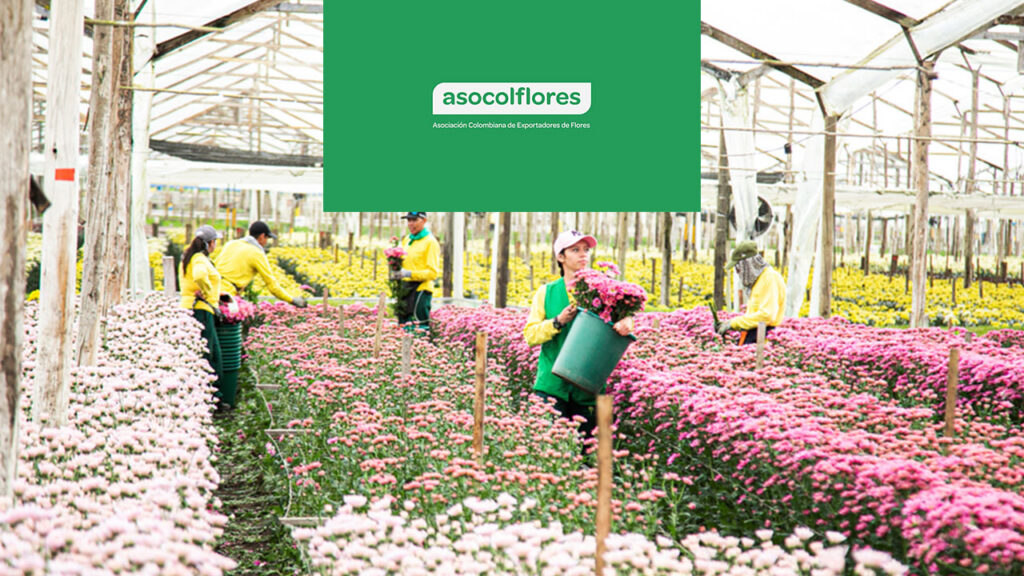
The removal of Chrysanthemum White Rust from the United States’ list of quarantine pests marks a step forward for the competitiveness of Colombian floriculture. The decision, announced by the United States Animal and Plant Health Inspection Service (APHIS) and set to take effect on November 9, 2026, will allow for the simplification of phytosanitary requirements and could represent savings of up to US$6 million annually for Colombian producers.
This measure is significant because Colombia is the leading supplier of chrysanthemums to the U.S. market. In 2025, it supplied approximately 98.6% of U.S. imports of this flower, with exports totaling around US$143 million and 31,803 tons. Therefore, reducing the requirements associated with this disease presents an opportunity to alleviate operating costs and improve access to one of the most important markets for the sector.
This result is the culmination of years of technical management led by Asocolflores, in collaboration with the Colombian Agricultural Institute (ICA), U.S. health authorities, and the Colombian government. Since 2022, Ceniflores, together with the Catholic University of the East, has led research on the biology and behavior of white rust under Colombian tropical conditions. The scientific evidence obtained provided elements for the phytosanitary risk assessment and the review of applicable requirements. Additionally, Ceniflores and Asocolflores participated in public consultations with the Animal and Plant Health Inspection Service (APHIS) of the U.S. Department of Agriculture, worked in close collaboration with the ICA, and, with the support of Araujo Ibarra, engaged with more than 30 stakeholders and strategic partners.
Among the changes that can be implemented, once the corresponding regulatory adjustments are made, are the elimination of specific requirements related to the registration of production sites, certain phytosanitary declarations, special inspections, and particular markings on boxes and transport documents. For the 1,368 hectares of chrysanthemums cultivated in Colombia, the reduction of these requirements and the associated management costs could generate savings of up to US$6 million per year.
The decision also opens up possibilities for expanding export offerings. Removing white rust from the list of quarantine pests may facilitate the development of new commercial opportunities for chrysanthemum propagation material, including cuttings, stems, and leaves intended for propagation, as well as plants and seedlings produced through in vitro culture .
The next step will be to work to ensure this decision translates into concrete benefits for producers and exporters. To this end, Asocolflores and Ceniflores will continue to collaborate with the ICA and relevant authorities to refine procedures, analyze the requirements established by APHIS, and support the review of Colombian regulations, as well as the definition of conditions for exporting propagation material. Both organizations will continue to contribute their technical expertise to advance protocols that allow producers to capitalize on these opportunities, with the aim of facilitating operations and strengthening the competitiveness of flower growers, while maintaining preventive, monitoring, and phytosanitary management measures.
In a context of pressures on production costs, exchange rates, and international trade conditions, this progress demonstrates the value of research, sanitary diplomacy, and sustained industry association management. Asocolflores will continue working to ensure that the elimination of phytosanitary barriers translates into improved competitiveness, new business opportunities, and tangible benefits for Colombian flower growers.