
U.S. Shrimp Industry Applauds House Passage of the Save Our Shrimpers Act
May 13, 2026 | 6 min to read
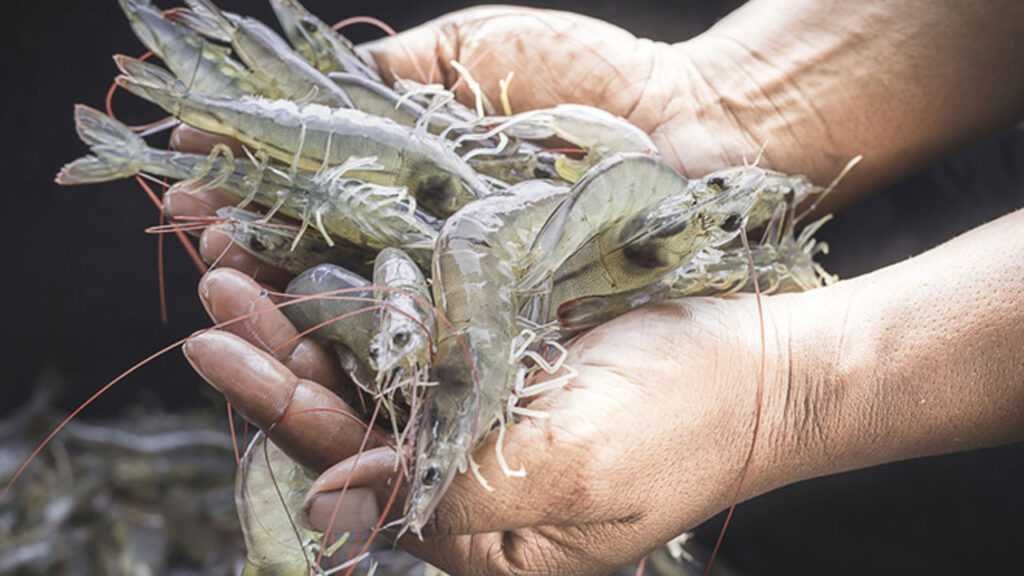
The U.S. House of Representatives has passed the bipartisan Save Our Shrimpers (SOS) Act by an overwhelming 391 to 18 margin. Today’s vote delivers a clear message: the U.S. government should actively oppose funding of foreign shrimp competitors that are driving U.S. shrimpers out of business.
The Southern Shrimp Alliance (SSA) extends its deepest gratitude to Representative Troy Nehls (R-TX), who has championed this legislation with remarkable persistence through two Congresses, since first introducing the bill in the 118th Congress in April 2024. His tireless advocacy, alongside that of the bill’s twenty bipartisan co-sponsors—Representatives Brian Babin (R-TX), Gus Bilirakis (R-FL), Buddy Carter (R-GA), Troy Carter (D-LA), Michael Cloud (R-TX), Donald Davis (D-NC), Byron Donalds (R-FL), Mike Ezell (R-MS), Russell Fry (R-SC), Vicente Gonzalez (D-TX), Mike Haridopolos (R-FL), Clay Higgins (R-LA), Julia Letlow (R-LA), Anna Paulina Luna (R-FL), Nancy Mace (R-SC), Barry Moore (R-AL), Gregory Murphy (R-NC), David Rouzer (R-NC), John Rutherford (R-FL), and Randy Weber (R-TX)—built strong bipartisan support and raised awareness of a counterproductive trade practice, helping carry this legislation forward. Prior to arriving on the House floor, the Committee on Financial Services favorably reported the bill by an overwhelming bipartisan vote of 42 to 1.
U.S. Taxpayer Dollars Should Not Fund Foreign Competitors
For years, SSA has documented a troubling pattern in which international funding institutions (IFIs), such as the International Finance Corporation and the Asian Development Bank, have supported the expansion of shrimp aquaculture in the world’s largest shrimp-producing countries, flooding global markets with excess supply and depressing the prices American shrimpers receive for their wholesome catch.
Between 2021 and 2023, SSA identified an average of nearly eight shrimp or aquaculture projects per year receiving IFI funding—including U.S. taxpayer dollars. During those years, NOAA reports that the U.S. shrimp industry lost half its value as record volumes of shrimp were imported from the same countries at prices last seen in the 1970s (without inflation adjustment). In 2025, the Asian Development Bank moved forward with a $150 million loan to Thai Union, the world’s largest seafood conglomerate, to expand shrimp production in Thailand, despite a first-ever U.S. vote against the shrimp aquaculture project.
“The small family businesses that make up the U.S. shrimp industry would welcome a $150 million investment in our infrastructure after decades of counterproductive trade policies,” said Blake Price, director of the Southern Shrimp Alliance. “However, it is essential that we stop the ongoing non-market investment in our multinational foreign competitors immediately. These massive companies should compete in the marketplace like the rest of us.”
Federal law (22 U.S.C. § 262h) already obligates U.S. Treasury representatives to vote against IFI projects that increase production of commodities already in surplus and would injure American producers. A critical loophole has allowed this law to be largely ignored. The burden on the Treasury to find that a commodity’s export would cause “substantial injury” before casting a “no” vote has historically prevented meaningful opposition to foreign shrimp projects.
Why the SOS Act Matters
The SOS Act removes ambiguity in the current law once and for all. As passed by the House, the legislation mandates that U.S. representatives at IFIs oppose any financial assistance for shrimp farming, shrimp processing, or shrimp exports—without a finding of injury. It requires the U.S. government not only to vote against such assistance but also to use its influence to prevent future funding of foreign shrimp competitors. Further, should IFIs proceed with projects despite U.S. objections, Americans will be able to track these projects through the database compiled and maintained by SSA.
The American shrimp industry from Texas to North Carolina have lost thousands of jobs and seen hundreds of boats leave the fleet as foreign competitors receive development funding to boost production. The SOS Act is a direct response to the global oversupply crisis that IFI financing helped create, as documented in Crisis of Our Own Making, SSA’s 2023 research report. It ensures that the U.S. opposes future underwriting of foreign shrimp companies, which puts American shrimpers out of work.
“This vote moves the U.S. shrimp industry closer to a fair market,” said Price. “Representative Nehls and every co-sponsor of this legislation stood up for American shrimpers and sent a clear message that the United States will no longer tolerate funding for foreign shrimp competitors. When these multinational producers are held to the same standards as our Mom-and-Pop shrimping businesses, Americans will enjoy more sustainable, fresher, wild-caught shrimp from our highly regulated waters, and our coastal economies will thrive.”
What Comes Next
Passage by the House is a critical milestone, but the work is not finished. SSA urges members of the Senate to follow their House counterparts’ lead and stand with American shrimpers by ending the practice of subsidizing foreign shrimp production that drives reliance on foreign food sources.
About the Southern Shrimp Alliance
The Southern Shrimp Alliance (SSA) is an organization of shrimp fishermen, shrimp processors, and other members of the domestic industry in the eight warmwater shrimp producing states of Alabama, Florida, Georgia, Louisiana, Mississippi, North Carolina, South Carolina, and Texas.