
ASC Certification of Taylor Shellfish Highlights Growing Market for More Sustainable Shellfish in North America
March 4, 2026 | 4 min to read
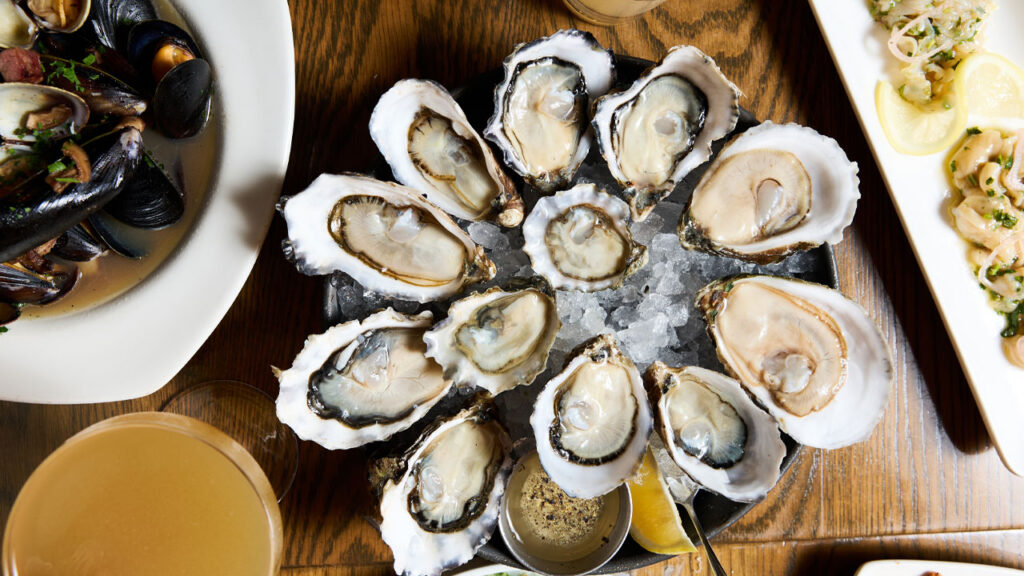
As oysters trend nationwide, certified shellfish gain new visibility with shoppers, chefs and retailers
SHELTON, Washington — America’s appetite for oysters is deepening, and the seafood industry is responding with stronger sustainability commitments. As consumption climbs and tinned seafood sales surge, a new certification announcement from the Aquaculture Stewardship Council (ASC) confirms that Washington-based Taylor Shellfish Farms, North America’s largest oyster producer, is doubling down on responsibly farmed seafood.
With this milestone, Taylor Shellfish becomes the first and only bivalve farm in the United States to achieve ASC certification and just the fifth U.S. farm in ASC’s global program, expanding the availability of premium ASC-certified and labeled shellfish for American consumers, chefs and retailers. The move reinforces the growing role of farmed shellfish in a food system increasingly focused on transparency, environmental performance and climate resilience.
Taylor’s ASC certification covers seven species: Olympia Oyster, Kumamoto Oyster, Eastern Oyster, Pacific Oyster, Mediterranean Mussel, Manila Clam and Geoduck Clam. Notably, its geoduck currently is the only ASC-certified geoduck in the world.
As a vertically integrated shellfish farm, Taylor owns all of its shellfish products, which are harvested from Washington’s tidelands and served across its four Seattle and Samish-based Oyster Bars, in addition to wider fresh and packaged distribution. Taylor Shellfish Oyster Bars are an extension of the farm, bringing guests a true tide-to-table experience rooted in the waters of the Pacific Northwest.
“Taylor Shellfish becoming the first North American bivalve farm to achieve ASC certification should excite both industry and consumers,” said Erica Tardiff, Market Development Manager, ASC. “Research proves that today’s consumers are increasingly conscientious about sustainable seafood options and even more discerning around how those claims are backed up. Americans also continue to prioritize local seafood when possible, and now they have shellfish that ticks both boxes. Taylor’s commitment to ASC certification is an enormous step in expanding regional ASC-labeled options for shoppers, diners and businesses looking to source and eat more certified seafood.”
Industry initiatives such as the Oyster Educators Summit continue to reconnect chefs, retailers, and seafood leaders with modern shellfish farming practices, reflecting the category’s cultural and commercial momentum. In collaboration with the Oyster Master Guild, ASC and Taylor Shellfish came together for the 2nd Annual Summit this January in Washington State, offering hospitality insiders an unbridled look at certified farming operations and why the strictest standards for environmental sustainability and social responsibility are absolutely necessary — from tide to table.
Taylor’s certification comes as ASC enters the fifth year of its major national marketing campaign in North America, building proven awareness of the value behind the ASC label through a series of local and national activations with retailers, restaurants, farm partners and influencers under the tagline “Sea Green. Be Green.”
Interest in shelf-stable seafood is accelerating, as well. Taylor’s Ekone brand tinned seafood production is up 30% year over year, and the company is now in the process of adding ASC’s sea green label to its packaging as a way to further differentiate its market position and build shopper awareness.
“This certification reflects who we are and where the shellfish industry is headed,” said Wes Taylor, Chief Operating Officer, Taylor Shellfish Farms. “We believe oysters can lead the way as a climate-friendly protein, and earning ASC certification reinforces our commitment to science, transparency and the long-term health of our waters and coastal communities.”
Farmed oysters, mussels and clams are uniquely positioned within the sustainability conversation. They require no feed inputs, no fresh water and minimal land use — and as they grow, they naturally filter surrounding waters and convert ocean nutrients into food. This makes shellfish one of the lowest-impact animal proteins available and a powerful sustainability driver that supports both marine ecosystems and coastal economies. It also makes for a digestible, consumer-friendly story that exemplifies how aquaculture, done right, can have positive impacts on the environment and communities that sustain us, combined with great-tasting results.
“We believe true sustainability means caring for both people and the planet,” said Jada Brown, Marketing Manager, Taylor Shellfish Farms. “With rising demand for sustainable, locally produced seafood, this certification reflects where the oyster category is headed. ASC is the gold standard, and achieving it is meaningful validation of the work we do every day.”
From the Pacific Northwest, producers continue investing in science-based aquaculture and long-term coastal resilience. As oyster demand grows and sustainability claims face greater scrutiny, ASC-certified shellfish are poised to play an increasingly important role in climate-positive food systems locally and globally.
About the Aquaculture Stewardship Council
Responsible seafood starts at the farm. ASC’s sea green label assures shoppers that:
- The strictest standards are in place to improve farm practices.
- Certified seafood in stores actually comes from certified farms.
- Certified farms continue to meet the highest standards.
- We are constantly working toward greater sustainability.
ASC is the only certification program that can verify your farmed seafood is what it claims to be, where it came from, how it was raised and how it got to you. Learn more at SeaGreenBeGreen.com and follow @asc.usa on Instagram.