
Farmed Totoaba Could Curb Poaching
October 16, 2025 | 1 min to read
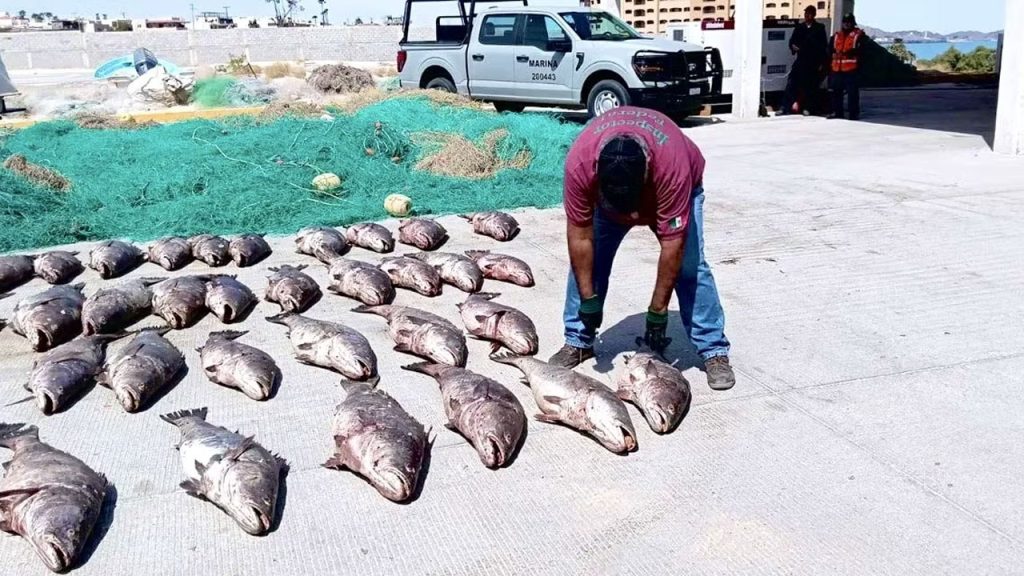
UC Santa Barbara researchers find that legal markets for farmed fish could relieve pressure on wild populations
The trade of totoaba has all the intrigue of a crime thriller. Dollars and drugs change hands as a criminal cartel vies against the government. Communities and endangered species are caught in the crosshairs of a lucrative illicit trade. It may then come as a surprise that the totoaba is a fish.
The totoaba is a large, yet unassuming, species of fish native to the Gulf of California. But its mundane appearance belies incredible value on the black market. “Totoaba swimbladder can sell for up to $80,000 USD per kilogram in Chinese end-markets making it worth more than gold or cocaine,” said marine biologist Julia Lawson, who earned her doctorate from UC Santa Barbara’s Bren School of Environmental Science & Management. This buoyancy-regulating organ is used for luxury food, expensive gifts and speculative investments in China.
To read more, please visit UC Santa Barbara’s The Current.