
Eating Animal Protein Following Training Can Improve Recovery
September 9, 2025 | 1 min to read
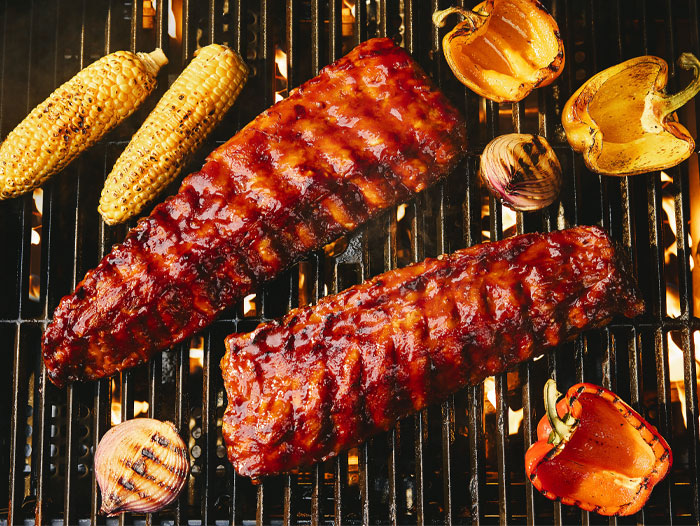
New research from Texas A&M University shows that pork-based MREs promote better recovery than plant-based options after intense military training.
The type of protein you eat after intense physical training can significantly impact recovery, according to new research from Texas A&M University’s Department of Kinesiology and Sport Management.
The study, led by Dr. Richard Kreider, a researcher with over 30 years of experience studying creatine and sports nutrition, examined how different protein sources in military-style meals ready-to-eat (MREs) affected recovery in members of Texas A&M’s Corps of Cadets after completing the Army Combat Fitness Test.
Creatine — a compound stored in muscle and essential for cellular energy production and recovery — is most abundant in animal-based protein like meat and fish. While the recommended daily intake ranges from 2 to 4 grams, depending on muscle mass and activity level, most individuals fall short, especially those following vegetarian or vegan diets. Combined with a lack of essential amino acids, this can make recovery after intense training difficult for vegetarians and vegans.
To learn more, please visit Texas A&M University.