
Snowdrops Named 2025 Fall Bulb of the Year by Flowerbulb.eu
August 6, 2025 | 2 min to read
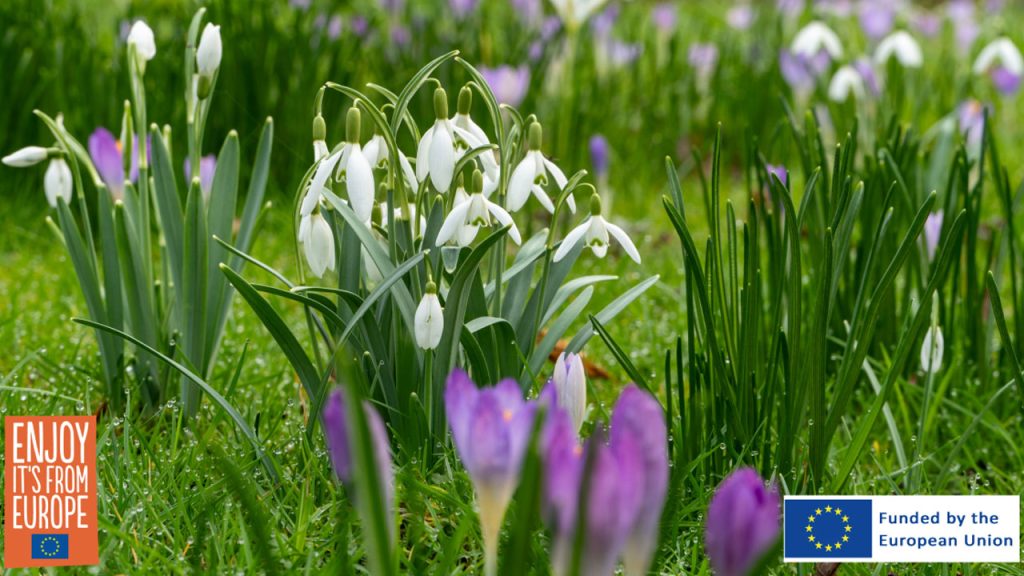
Hardy Early Bloomers Offer Unique Cold-Weather Adaptations and Ecological Benefits
PHILADELPHIA, PA — Flowerbulb.eu has announced that snowdrops (Galanthus) have been named the 2025 Fall Bulb of the Year, citing their remarkable cold tolerance, environmental value, and symbolic significance in the early spring garden.
Often one of the first flowers to emerge at the end of winter, snowdrops have evolved to survive and bloom in freezing conditions. According to plant scientists, snowdrops produce heat through thermogenesis, allowing them to melt surrounding snow and push through frozen soil. This process, typically associated with early-flowering species, enables snowdrops to appear weeks ahead of many other garden plants.
In addition to their thermal abilities, snowdrops possess natural antifreeze proteins, which protect their cellular structure during extreme cold. These proteins prevent ice crystals from forming within the petals, allowing the plants to remain upright and undamaged through frost and snow.
Beyond their survival traits, snowdrops may also function as informal weather indicators. Botanical observations have shown that snowdrop blooms respond to environmental cues: petals often remain closed in cold or wet weather and open during milder, drier conditions. This behavior provides visual clues about short-term weather trends.
“Snowdrops are not only botanically impressive but also ecologically important,” said a spokesperson from Flowerbulb.eu. “They offer one of the earliest sources of nectar for emerging pollinators and add interest to gardens when few other plants are in bloom.”
Native to parts of Europe and western Asia, snowdrops are hardy in USDA Zones 3 to 7 and prefer well-drained soil in full sun to partial shade. Typically reaching 6 to 10 inches in height, they are well-suited to naturalizing in lawns, woodland gardens, and alongside other early bulbs such as crocus, winter aconites, and miniature daffodils. Snowdrops also tend to be deer-resistant and multiply readily over time.
For more information on planting and care, visit https://www.flowerbulb.eu.