
OSU Makes Oysters Safer To Eat With Improved Purification Method
March 13, 2013 | 1 min to read
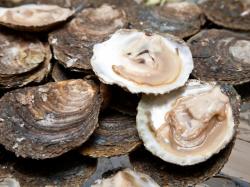
CORVALLIS, Ore. – Oregon State University has improved an old method of making oysters safer to eat so that more bacteria are removed without sacrificing taste and texture.
The improved process nearly clears their digestive tracts of the bacteria Vibrio parahaemolyticus, which can cause gastroenteritis, an infection marked by severe abdominal pain, vomiting and diarrhea. Each year in the United States, more than 40,000 cases of Vibrio parahaemolyticus infection are linked to the consumption of seafood, particularly raw oysters, according to the Centers for Disease Control and Prevention.
"This bacteria is a huge safety concern," said Yi-Cheng Su, an OSU professor of seafood microbiology and safety. “Cooking oysters easily kills it, but many consumers want to eat raw shellfish without worrying about foodborne illness. Oysters are also worth more to the seafood industry when alive.”
To make oysters safer, processors freeze, heat up or pressurize the mollusks. They also place them in tanks of clean seawater at room temperature. In the latter case, which is known as depuration, the shellfish filter clean water through their system and excrete most bacteria from their digestive tracts into the water. The dirty water is then filtered and sterilized with UV light.
To read the rest of the story, please go to: Oregon State University Extension Service