
NOAA Identifies Gulf Areas for Potential Aquaculture Development
October 6, 2025 | 4 min to read
NOAA identified three Aquaculture Opportunity Areas (AOAs) off Texas as potentially suitable for finfish, seaweed, shellfish, and multispecies farms, while the Southern Shrimp Alliance successfully barred two sites (C-3, C-13) due to heavy shrimping. The Alliance warns of debris, disease, escapement, impacts on protected species, and unfair subsidies, and stresses AOAs require individual permits and environmental review before any development.
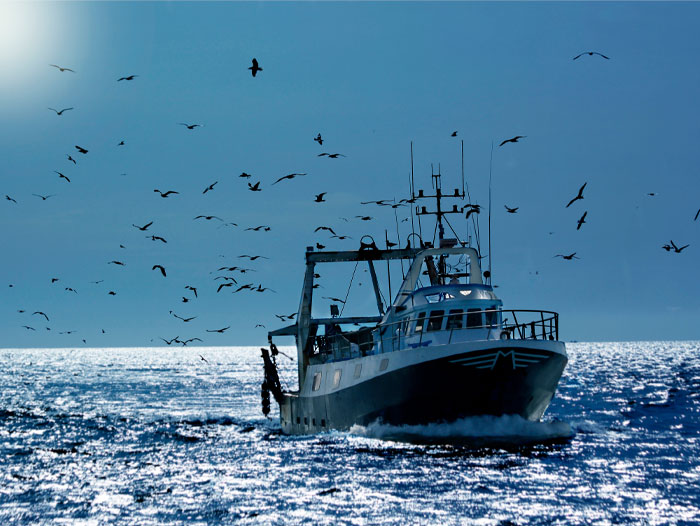
NOAA identified three Aquaculture Opportunity Areas (AOAs) off the coast of Texas as potentially suitable to support finfish, seaweed, shellfish, and multispecies aquaculture operations. In the general siting process, the Southern Shrimp Alliance successfully prevented two areas (C-3 and C-13) from being considered for offshore aquaculture development due to significant shrimp fishing effort. However, questions and concerns persist about the impact of offshore aquaculture on traditional fisheries.
An offshore aquaculture industry is not a legitimate substitute for the heritage or economy of our fishing communities. It also fails to support the optimal utilization of our nation’s wild fishery resources. Since 2020, SSA has repeatedly raised concerns about the impacts of commercial aquaculture in U.S. waters in formal comments, such as:
- Debris. Shrimpers could lose access to traditional fishing grounds to debris from the damage or destruction of aquaculture gear and facilities not designed or constructed to withstand the wind and waves generated by increasingly powerful storms in the Gulf.
- Disease. Aquaculture could spread disease into the essential brackish and marine habitats and ecosystems on which shrimp depend.
- Protected Species. Under federal statutes, the shrimp industry will be held accountable for any negative impacts aquaculture has on protected species.
- Escapement. Farmed species that escape can become invasive and cause harm to endemic species and their ecosystems.
- Subsidies. To the extent the U.S. government provides economic support for the aquaculture industry, U.S. fisheries for the same species will face a competitive disadvantage in the marketplace and a likely reduction in production.
“An offshore aquaculture strategy to fix our trade deficit that accidentally harms viable U.S. fisheries isn’t rational—it’s robbing Peter to pay Paul,” said Blake Price, deputy director of the Southern Shrimp Alliance. “We will continue to work closely with NOAA to address any potential aquaculture development that threatens America’s shrimp industry and appreciate that they have prohibited development in traditional shrimping grounds.”
NOAA’s determination is part of a long-term planning effort, not a permitting action. Prospective farmers who site their operations in an AOA must still undergo individual permitting and environmental review processes. Additionally, NOAA’s investment in conducting baseline environmental surveys for the Gulf of America AOAs will further inform the specific siting of future aquaculture operations in the AOAs.
Read More:
- SSA’s February 20, 2025 comments
- NOAA Fisheries’ Final Programmatic Environmental Impact Statement for the Identification of Aquaculture Opportunity Areas (AOAs) in U.S. Federal Waters of the Gulf of America
- NOAA Fisheries’ Decision Document Identifying Aquaculture Opportunity Areas in U.S. Federal Waters of the Gulf of America
About the Southern Shrimp Alliance
The Southern Shrimp Alliance (SSA) is an organization of shrimp fishermen, shrimp processors, and other members of the domestic industry in the eight warmwater shrimp producing states of Alabama, Florida, Georgia, Louisiana, Mississippi, North Carolina, South Carolina, and Texas.