
Gas Prices Fuel the Restaurantization of U.S. Convenience Stores
November 14, 2026 | 2 min to read
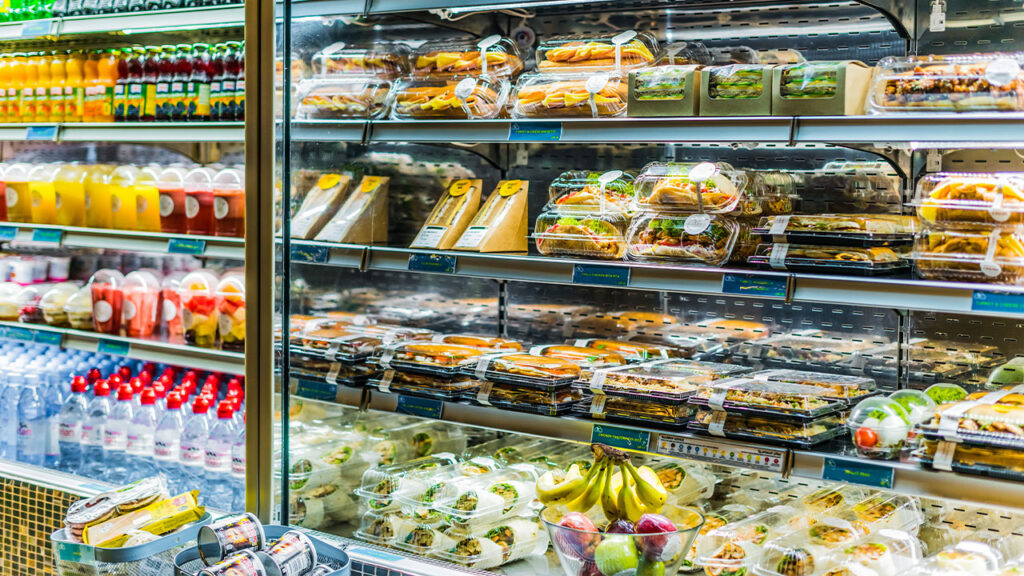
High gas prices are highlighting the competitive advantage of food-focused US convenience stores. As consumers become more price-sensitive at the pump, leading c-store chains are relying on prepared food, beverages, and loyalty programs to drive visits beyond fueling. This ongoing “restaurantization” is supporting traffic, reducing dependence on fuel, and strengthening their position against traditional c-stores and quick-service restaurants.
The US convenience store industry is undergoing a structural transformation. What began as an effort to diversify beyond fuel and tobacco has evolved into a broader shift toward foodservice-led retailing, with leading operators increasingly competing for meal occasions rather than fuel occasions. Operators are increasingly embracing foodservice, shifting their value proposition from traditional convenience retail toward restaurant-style offerings and experiences. We characterize this evolution as the “restaurantization” of c-stores.
This industry remains highly fragmented: Small and independent operators (1-10 stores) still account for the majority of the roughly 152,000 c-stores in the US market. However, their share has gradually declined as leading chains continue to open new stores, retrofit existing locations, and pursue acquisitions to expand their reach.
Foodservice continues to gain relevance for c-stores despite challenging times
for restaurants
Despite weak traffic across many restaurant categories, prepared food remains one of the c-store industry’s most important growth engines. Growth has moderated from the exceptional post-pandemic years, but foodservice continues to gain share of in-store sales (see figures 3 and 4). Approximately 74% of surveyed c-store operators expect higher foodservice sales in 2026, compared with 21% who expect sales to remain the same and only 4% who anticipate a decline, according to a foodservice study by Convenience Store News.
The growing importance of foodservice helps explain why consolidation has continued. As detailed in our previous c-store industry report, fresh food programs require more complex operations, more capital, and stronger supply chains than traditional convenience retailing. Larger operators are generally better positioned to manage those challenges and spread costs across hundreds or thousands of stores.
Read more about foodservice gains in C-stores.