
Eosta Targets Fresh Juice Segment Growth for Organic Raingrown Oranges Amid Pesticide Residue Concern
July 16, 2026 | 3 min to read
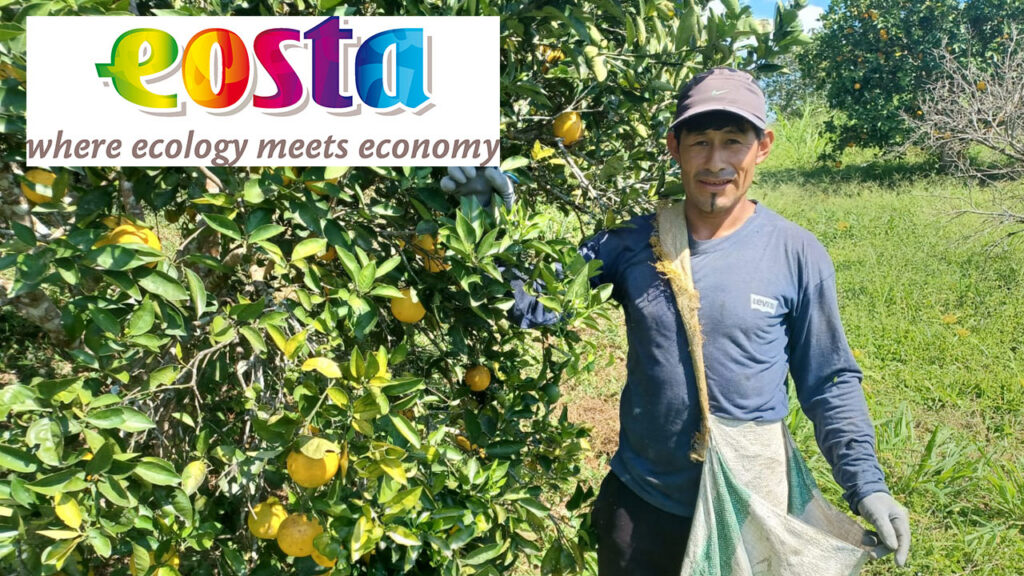
WADDINXVEEN, Netherlands — Leading European organic fresh produce importer and marketer Eosta is targeting growth for its Organic Raingrown Oranges—now in their second season from Peru—in the grocery retail fresh juice segment, thanks to the oranges’ high juice content and increasing consumer concern over pesticide residues on fresh fruit.
Cultivated entirely using natural rainfall without irrigation, the Organic Raingrown Oranges are produced in a way that significantly reduces pressure on local water resources while delivering exceptional flavor and quality. The concept demonstrates how organic agriculture can contribute to more resilient and climate-conscious production systems.
Following a successful first season with Peruvian citrus cooperative Kivinaki, Eosta is now looking to capitalize on the Jucy Gold orange’s consistently high juice content—typically around 45%—and strong Brix levels by expanding into the fresh juice machine market, particularly within supermarkets.
Eosta Product Manager Peke van Beek said, “Eosta sees strong potential for Organic Raingrown Oranges in supermarket juice machines. Most machines still use conventional oranges. As the whole fruit, including the peel, is pressed, residues from pesticides or post-harvest antifungal treatments may transfer into the juice. Organic oranges offer a cleaner, healthier alternative.”
According to van Beek, concern over pesticide residues in orange peel reflects a broader retail trend, particularly in Germany, where edible citrus peel is increasingly being used in cooking and food preparation. For fresh juice machines, the issue is even more relevant because the peel becomes part of the pressing process.
“The Organic Raingrown Oranges are especially well suited thanks to their high juice content and Kivinaki’s background in citrus juice production,” he said. “Together, Eosta and Kivinaki have expanded that expertise from juice production into the export of fresh whole oranges to Europe.”
Overall, van Beek said the citrus season provides an excellent opportunity to highlight Eosta’s Organic Raingrown Oranges program.
“Through targeted communication, storytelling and point-of-sale materials, we are raising awareness of the environmental benefits of rain-fed citrus production and the positive impact it can have on water stewardship,” he added.
Stable Supply
To ensure a stable and reliable supply throughout the season, Eosta sources organic citrus from multiple countries in both the Southern and Northern Hemispheres. Key origins include South Africa, Peru, Argentina, Chile, Colombia and the Dominican Republic.
By working with growers across diverse regions and climates, Eosta maintains continuity of supply while managing seasonal fluctuations. This year, van Beek said the company expects the overseas citrus season to continue through approximately Week 42.
Organic lemons and oranges remain Eosta’s most important citrus categories during the summer months, although the company also offers a broad selection of organic grapefruit, soft citrus and limes.
Eosta Product Manager Koen van Velthoven said, “We expect a stable supply of organic lemons from several countries of origin until European production resumes.”
Within the orange category, van Beek noted that Eosta is seeing a gradual shift from Valencia varieties to Navel varieties, driven largely by the excellent shelf life and eating quality of Navels.
“Their thicker peel provides better protection during long-distance transport, helping preserve quality from orchard to consumer,” he said.
With weather-related volatility delaying the start of the season in South Africa, van Beek emphasized the importance of close collaboration throughout the supply chain to ensure customers continue to receive fruit that meets Eosta’s quality standards.
About Eosta
Established in 1990, Eosta—together with its transparency brand, Nature & More—has grown into one of Europe’s leading distributors of organic fruits and vegetables. Over the past 35 years, the company has become known for sustainability initiatives including The True Cost of Food, Natural Branding, Living Wage, and Save Our Soils.
Eosta’s Organic Raingrown Avocado won the inaugural True Price Award in 2025, recognizing fair pricing and transparency in fresh produce supply chains. The product was also named Bioproduct of the Year 2025 in the Netherlands and earned third place at the 2025 Fruit Logistica Innovation Awards.
The Sustainability Flower model can be viewed here.