
Japanese Hepaticas: Pastel Perfection
April 9, 2015 | 1 min to read
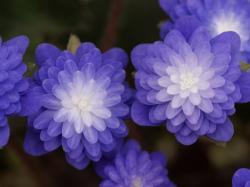
For me, the arrival of spring is marked by the smell of cut-grass drifting across the neighbour’s fence – a timely reminder to dust off the mower, just as the monochrome-white of the snowdrops gives way to a kaleidoscopic palette of daffodils, primroses, brunneras and much else.
Hepaticas – the flowering liverworts – are very much part of the early spring season, and are gaining a growing following of devotees here in Britain. For those yet to become acquainted with this small and delightful genus, these are diminutive anemone relatives, with distinctive three-lobed leaves (hence, apparently, the name liverwort, though quite whose liver is anyone’s guess), and simple six to eight-petalled flowers the size of smallish coins, in pastel shades of soft, baby-ribbon whites, pinks and blues. You might at this point ponder quite why a grown man is doing writing about these ineffably twee flowers, but I adore them, and have a greenhouse full of them here at Flete, the walled garden I am restoring in Devon. Indeed, as I write this, I am half way through the application process to have our collection of Japanese cultivars recognised as a National Collection by Plant Heritage.
To read the rest of the story, please go to: The Guardian