
California Prune Board Advances Women’s Bone Health Research with USDA NIFA Grant
September 25, 2025 | 4 min to read
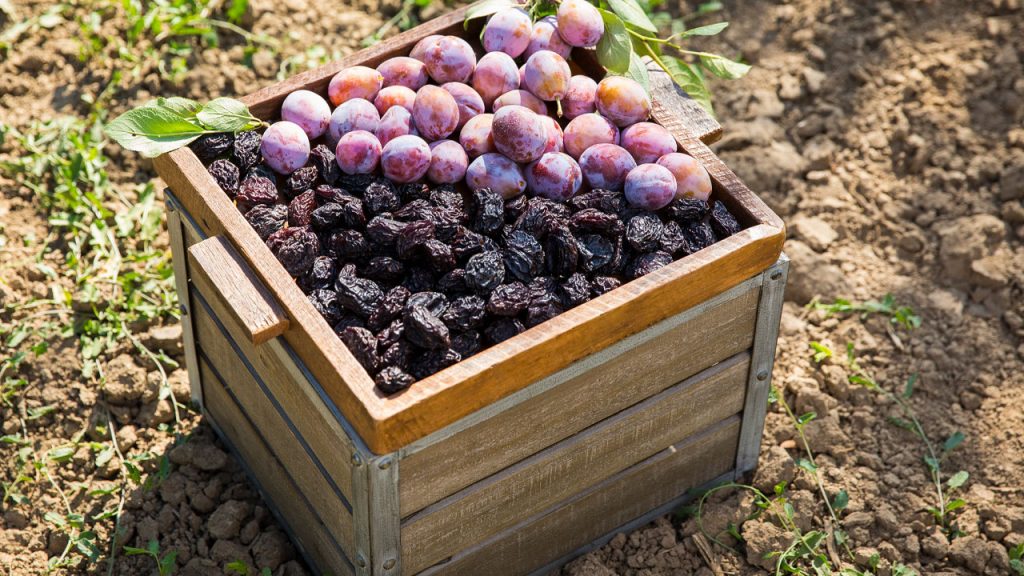
Federal co-funding supports two multi-year studies on prune consumption and midlife women, building on decades of nutrition research, showing prunes as an ally in bone health.
ROSEVILLE, CALIF. – The California Prune Board (CPB) announced that two major research projects focused on women’s bone health have been awarded federal co-funding from the U.S. Department of Agriculture’s National Institute of Food and Agriculture (NIFA). Through this partnership, CPB is helping advance university-led studies on prune consumption and bone health. These projects, at Penn State University and San Diego State University, will examine whether eating prunes daily can slow or prevent the steep bone loss women experience during the transition to menopause.
“This milestone underscores the value of our industry’s sustained investment in credible science,” said Donn Zea, executive director, CPB. “By leveraging federal co-funding, we’re amplifying grower dollars, supporting America First agriculture, and strengthening the evidence for prunes as a powerful tool in preventive health. That not only validates the work we’ve done but also expands opportunities to engage policymakers, health professionals, and consumers here in the United States and throughout the world that increasingly demand delicious and nutritious solutions backed by science.”
Targeting a Critical Window for Women’s Bone Health
The new studies will focus on the “transmenopause” stage — a three-year window when women transition from late perimenopause to early post-menopause and experience the steepest bone loss of their lives. This life stage, often overlooked in clinical nutrition research, is critical for prevention strategies.
Previous clinical trials demonstrated that prunes may help mitigate bone loss in postmenopausal women. These new studies take that research a step further, testing whether daily prune consumption can help prevent bone loss before damage becomes irreversible.
- Penn State University: Prevention Strategy For The Indication Of Prune Consumption In Perimenopausal Women: Can Prunes Attenuate Bone Loss? Led by Dr. Mary Jane De Souza, this 18-month trial will evaluate prune consumption during transmenopause and its effects on bone health.
- San Diego State University: Optimizing Prune Consumption For Late Peri-Menopausal Health: A Two-Year Intervention. Led by Dr. Shirin Hooshmand, this 24-month trial will examine prune intake and its impact on bone density and broader health outcomes.
Both studies will also measure inflammation and gut microbiome health to provide a more holistic picture of prunes’ role in women’s health.
Potential Public Health Impact
Osteoporosis affects over 10 million Americans, contributing to more than two million fractures annually and over $50 billion in related health care costs. Even modest reductions in fracture risk could save billions.
“For women seeking non-medication prevention strategies, these studies could be game changers,” said Zea. “Prunes are a nutrient-rich, shelf-stable and simple whole food. If these trials confirm their role in preventing bone loss during this critical life stage, the public health and economic impact could be enormous.”
Building on a Legacy of Nutrition Research
Of the more than $10 million in funding NIFA awarded across 23 projects, over $2 million was directed to California prune research. The NIFA co-funding builds on CPB’s decades-long track record of funding rigorous, peer-reviewed research establishing prunes as a powerful ally in bone health and healthy aging. Among its most notable contributions is The Prune Study, the largest clinical trial to date on prunes and bone health. Conducted with 235 women, it was the first to show that daily prune consumption protected bone mineral density and reduced fracture risk at the hip — a common and debilitating fracture site in aging populations.
The first paper from The Prune Study, published in the American Journal of Clinical Nutrition in 2022, showed that eating just 5-6 prunes a day preserved bone mineral density indicating a reduced fracture risk in postmenopausal women. Additional peer-reviewed publications from the study have since reinforced prunes as a unique, nutrition-based approach to bone health.
Learn more about CPB’s nutrition research at CaliforniaPrunes.org
ABOUT THE CALIFORNIA PRUNE BOARD
The California Prune Board was established in 1980 to represent growers and handlers under the authority of the California Secretary of Food and Agriculture. California is the world’s largest producer of premium prunes with orchards across the Sacramento and San Joaquin valleys. Promoting a lifetime of wellness through the enjoyment of California Prunes, the organization leads the premium prune category with generations of craftsmanship supported by California’s leading food safety and sustainability standards. California Prunes. Prunes. For life.