
Genetic Diversity in Alaska Red King Crab May Provide Resilience to Climate Change
January 7, 2025 | 1 min to read
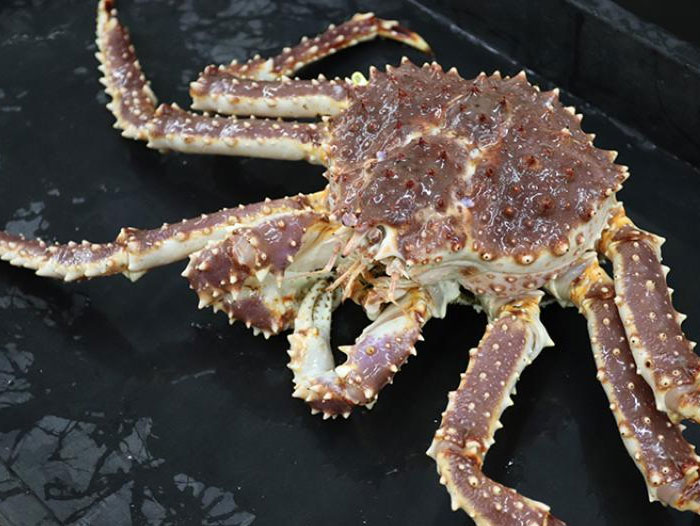
New genetic research on the Alaska red king crab reveals previously undiscovered diversity among different regions, suggesting the species is more resilient to climate change and changing ocean conditions.
Maintaining genetic diversity within and among populations is vital to ensure species are resilient to challenging conditions. Without it, a single disease or set of conditions—such as a prolonged change in ocean acidification—could drive a species to extinction. Fortunately, new research has revealed more genetic diversity across Alaska’s red king crab populations than originally documented. This suggests that the species will be more resilient in the face of changing conditions like ocean warming. However, any efforts to enhance red king crab populations need to be careful not to affect this genetic diversity.
To read the rest of the story, please go to: NOAA