
The Shrimp Council Encourages Consumption
July 26, 2010 | 2 min to read
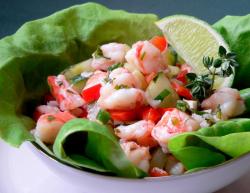
MCLEAN, Va., July 21 — A recent study by the International Food Information Council Foundation revealed that more than 60 percent of Americans are more interested in hearing about what to eat than what not to eat. From "trans-fat free" to "no preservatives," these phrases about what not to eat bombard us from the grocery store to national television advertising campaigns.
More than a dozen health and nutrition organizations recommend that we eat seafood at least twice a week, which would amount to 39 pounds per person a year. However, the average American eats just 16 pounds of fish and shellfish annually. Meanwhile, Americans typically consume more than 70 pounds of poultry and 110 pounds of red meat.
"I am a strong advocate of the consumption of seafood because it is loaded healthy nutrients like protein, B vitamins, iron, and omega-3s but not with calories and fat," said Jennifer McGuire, MS, RD, National Fisheries Institute. "And here's the secret: the number one reason behind why we choose to eat certain foods is taste. Shrimp, known for its sweet yet mild flavor, is the perfect choice, and it's a snap to prepare!"
Below are a few helpful hints courtesy of The Shrimp Council:
•Buying shrimp
Did you know many fish markets will peel and devein shrimp on request for a minimal charge?
Shrimp should be purchased in the shell for grilling to lock in the moisture.
•Thawing frozen shrimp
Thaw shrimp in the refrigerator one full day before cooking. Place the container in the refrigerator on a low shelf. Allow shrimp to defrost slowly for 24 hours in a container covered lightly with plastic wrap, then remove any liquid that has collected in the packaging or the container. Cook within one day.
With less time, shrimp can be thawed in a leakproof plastic bag submerged in cold tap water. Change the water every 30 minutes until the shrimp has defrosted. Do not try to advance the process with warm water as the shrimp will begin to cook. Cook immediately after thawing.
•Cooking shrimp
Shrimp are properly cooked when the texture changes from mushy to firm, the color turns from brownish-gray to a warm orangey-pink, and the meat becomes opaque. Shrimp are overcooked when they curl tightly inward and the flesh becomes rubbery.
Source: The Shrimp Council