
Stronger America Through Seafood (SATS) to Host Capitol Hill Fly-In to Educate on Benefits of Expanding Aquaculture in U.S. Waters
September 9, 2025 | 5 min to read
Stronger America Through Seafood (SATS) is advocating for open ocean aquaculture to increase U.S. seafood production and create jobs. During a legislative fly-in on Capitol Hill, industry leaders emphasized the bipartisan MARA Act as crucial for developing sustainable fish farming in federal waters. Currently, the U.S. ranks low in global seafood production, relying heavily on imports. The proposed legislation aims to reduce regulatory barriers, boost domestic aquaculture, and enhance coastal economies by supporting local fisheries and agriculture.
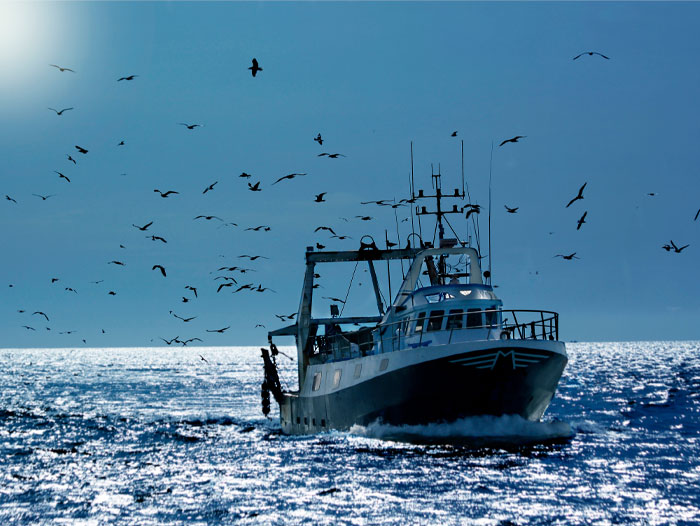
Seafood leaders to advocate for open ocean aquaculture as a sustainable complement to U.S. fisheries, opportunity to create U.S. jobs
Washington, D.C. – Industry coalition Stronger America Through Seafood (SATS) will host a two-day legislative fly-in on Capitol Hill September 10 to September 11. Seafood industry leaders and allies will meet with Members of Congress and staff to highlight the benefits of expanding fish farming into U.S. federal waters.
“Federal legislation that supports open ocean aquaculture provides the U.S. a chance to prove that we can sustainably produce more seafood in our own ocean waters,” said Drue Banta Winters, campaign manager of SATS. “Expanding U.S. aquaculture will help increase the amount of American-raised seafood coming into our ports, spur investment in coastal communities and create new jobs and opportunities in congressional districts across the country as the seafood supply chain grows. With strong bipartisan momentum growing for open ocean aquaculture, we are hopeful that congressional lawmakers will recognize the need to pass legislation to support growth of U.S. aquaculture.”
Demand for sustainable protein is rising, but the U.S. already harvests the sustainable limit of wild-caught seafood. While other countries have prioritized sustainable aquaculture, the U.S. ranks only 18th in seafood production globally. America imports the majority of seafood we consume, half from fish farms in other countries.
Open ocean aquaculture would work in complement with our nation’s wild fisheries to help increase our domestic seafood supply sustainably. But to date, no commercial-scale finfish farms currently operate in U.S. federal waters. Duplicative and costly environmental reviews by multiple federal agencies and a lack of a clear permitting framework have made it nearly impossible for fish farmers to establish aquaculture operations in U.S. waters.
The bipartisan Marine Aquaculture Research for America (MARA) Act of 2025 (S.2586), introduced in July 2025 by Sens. Brian Schatz (D-HI) and Roger Wicker (R-MS), would advance the development of commercial-scale open ocean aquaculture in U.S. federal waters. The bill builds on years of prior legislative efforts, incorporating key provisions from the Advancing the Quality and Understanding of American Aquaculture, or AQUAA Act, and has gained bipartisan support, as well as backing from leading environmental groups, seafood industry leaders, award-winning chefs, and academics.
Expanding American aquaculture would benefit communities nationwide, including coastal and inland states. Increased domestic seafood production would spur investment in portside infrastructure, revitalize working waterfronts, and create new jobs across the seafood supply chain, including at hatcheries, fish farms, equipment manufacturers, feed suppliers, processing plants, and retailers. It would also create new markets for American farmers who grow key ingredients used in plant-based fish feeds, such as soybeans, corn, peas, wheat, barley, rice, canola, and flaxseed.
Organizations participating in the SATS fly-in include Cargill, Cuna del Mar, Fortune Fish & Gourmet, Innovasea, Manna Fish Farms, Sysco and Zeigler, as well as the American Soybean Association, National Fisheries Institute and Soy Aquaculture Alliance.
Chris Stock, President of SATS and Vice President, Sales & Marketing, Seafood, Cuna del Mar, said, “Public awareness of aquaculture as an increasingly important means to sustainably feed our nation has never been higher. This is helping amplify SATS’s message that passing the MARA Act is the most significant step our nation can take to unlock the potential of open ocean aquaculture in our waters to build our seafood supply while supporting local economies. The time for action is now.”
Stacy Schultz, Vice President of SATS and Director of Frozen Seafood, Fortune Fish & Gourmet, said, “U.S. open ocean aquaculture would help ensure families across the country have greater access to fresh, American-raised seafood. By passing the MARA Act, Congress can help advance America’s sustainable aquaculture industry, grow our nation’s domestic seafood supply, and create new jobs along all our coasts.”
Brad Christie, Vice President of Global Government Relations, Sysco, said, “As consumer demand for seafood continues to grow, responsibly expanding U.S. aquaculture offers a unique opportunity to strengthen our domestic seafood supply while creating new jobs and supporting coastal economies. By advancing open-ocean aquaculture, Congress can help ensure a reliable and sustainable source of American-raised seafood, allowing companies like Sysco to provide customers with more high-quality, responsibly sourced options produced right here at home.”
Tyler Sclodnick, Principal Scientist and Aquaculture Science Services Lead, Innovasea, said, “Aquaculture is more sustainable than ever thanks to emerging technology. AI-powered feed cameras, real-time sensors, and advanced modeling systems allow farmers to optimize feeding, monitor fish health, and reduce water and sediment impacts. This improves both the farm’s financial performance and reduces environmental interactions. With the world’s largest domestic seafood market, abundant water resources, and skilled personnel, the U.S. is well equipped to expand open ocean aquaculture, and the MARA Act provides the pathway to make that growth possible.”
Easton Kuboushek, Executive Director of Soy Aquaculture Alliance, said, “For decades, U.S. soybean farmers have partnered with aquaculture producers around the world to deliver consistent, high-quality, sustainable feed ingredients. This is a significant opportunity to bring more of that success story home and put American-grown soy to work in our own waters.”
Lisa Wallenda Picard, CEO, National Fisheries Institute (NFI), said, “NFI and its members fully support expanding aquaculture in the U.S. As a nation we have been woefully behind in aquaculture investment and production because of excessive regulatory barriers that have stood in the way of vital growth. The ‘Marine Aquaculture Research for America (MARA) Act’ will help get commercial open ocean aquaculture started so it can benefit not only jobs but the health of everyday Americans.”