
Maine's Lobster Industry Is Booming, But Fearful Of Hot Water
February 16, 2016 | 1 min to read
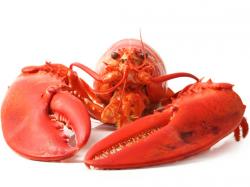
NOT all that long ago, “You could set your watch to when the first lobsters would start moulting,” says Carl Wilson, head of Maine’s bureau of marine science. When the forsythia bloomed, spring lobsters would soon move offshore. Lobster boats have radar, sonar and other electronic aids, but Steve Train, a lobsterman for more than 30 years, still likes to keep an eye on apple and cherry blossoms. “And if we start catching mackerel off the dock, then usually we get shedders,” he says. (Lobsters grow by shedding their shells.) “New-shell lobsters come between two weeks and 20 days later”. Those natural patterns are starting to break down.
Early moulting in 2012 caused a glut in lobsters and a drop in prices. At the same time, there was a decline in cod and other natural predators of the lobster larva. This allowed the lobster population to flourish. Big hauls, or landings, are now the norm. To accommodate the larger volume, dealers began looking in earnest at overseas markets, especially Asia. Maine’s lobster exports to China have tripled since 2012. Chinese new year in February is an especially busy time for shippers. In Chinese lobster is called long xia, or dragon prawn, which has an auspicious ring to it. Tom Adams, owner of one of the larger live-shippers to China, says the critters must be carefully packed to survive the long journey.
To read the rest of the story, please go to: The Economist