
How a Risky State Investment in Seafood Cost Alaskans Millions and Left a Fishing Town in Crisis
February 21, 2025 | 1 min to read
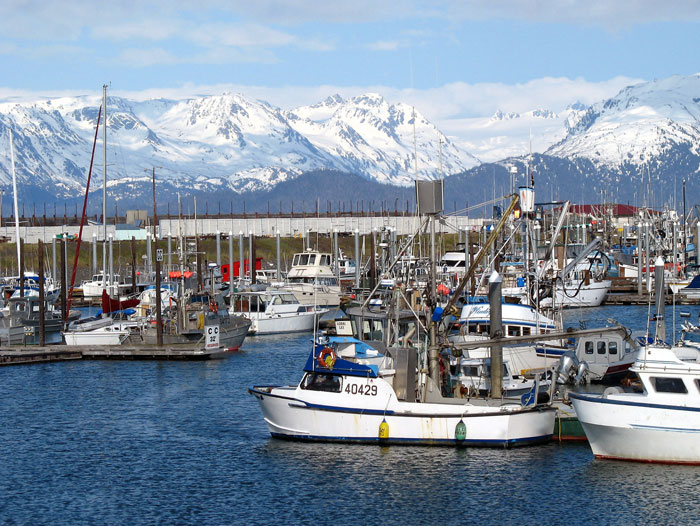
Last summer, an unsettling quiet cloaked the isolated Southwest Alaska community of King Cove as the town’s economic engine — a sprawling seafood processing plant — sat shuttered.
Bunkhouses, once filled with hundreds of workers during the peak salmon harvest, were vacant. Four diesel generators that had rumbled day and night were stilled. The plant docks, once lined with boats and circled by fish-scavenging gulls, were empty.
The closure resulted from the financial implosion of the plant’s owner, Peter Pan Seafood. Some local fishing boat captains directed their ire at company leaders who accepted their seafood, then failed to pay them.
They dwelled far less on a surprising, largely silent, powerhouse investor in the plant: the state of Alaska.
To read the rest of the story, please go to: ProPublica