
Alaska Pollock Showcased During Agricultural Trade Mission to Indonesia
February 5, 2026 | 3 min to read
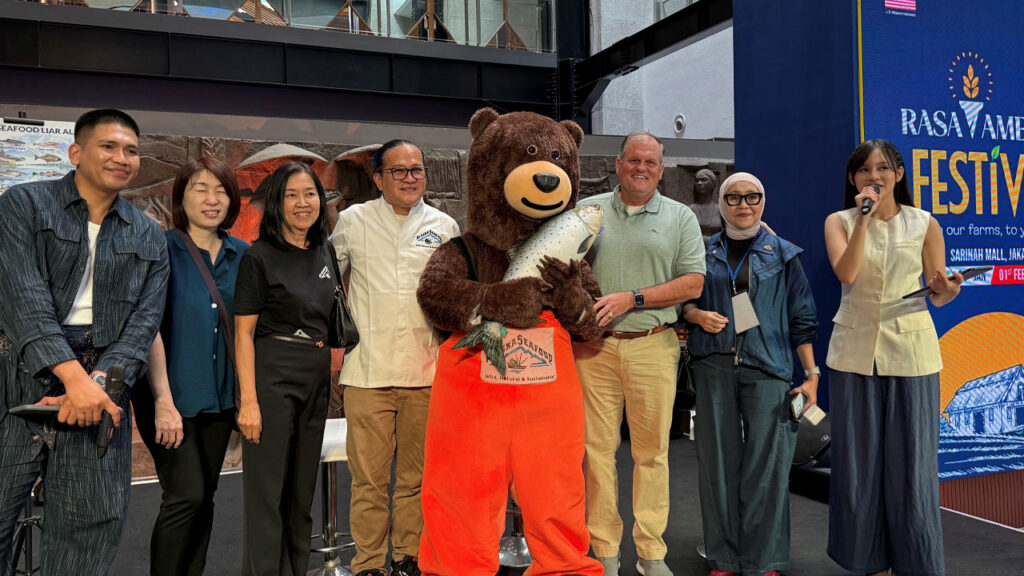
JAKARTA, Indonesia — Association of Genuine Alaska Pollock Producers (GAPP) leadership is accompanying officials from the USDA Foreign Agricultural Service and state departments of agriculture, agribusiness executives and representatives from other U.S. commodities on a trade mission to Jakarta, Indonesia, February 2–5, 2026. The trade mission is the first in a series of strategic international engagements slated by GAPP this year to explore new strategic opportunities for expansion of U.S. wild-caught Alaska Pollock products.
“International market expansion is key to our industry’s long-term success which is why it’s always been such a key component of GAPP’s strategy,” said Morris. “We are excited to continue to partner with the USDA as it embarks on an ambitious schedule of trade missions this year to showcase Alaska Pollock and explore vital new foreign market opportunities for Alaska Pollock fillet, surimi and roe products abroad.”
Alaska Pollock was showcased during a special trade show at one of the most popular shopping malls in Jakarta on Saturday and Sunday. During the event, GAPP CEO Craig Morris joined local celebrity chef Chandra Yudasswara on stage as part of the Alaska Seafood Marketing Institute’s (ASMI) promotion in the country. Together, Morris and Chef Yudasswara spoke with food influencers, answered questions from the crowd, and discussed what makes Alaska seafood such a trusted choice: sustainability, quality, traceability, and great taste. Alaska Pollock was served all weekend at the ASMI booth, paired with rice and featuring spicy local flavors.
As the fourth-most-populous nation in the world, Indonesia is a particularly attractive market opportunity for U.S. seafood producers. The U.S. is the fourth-largest supplier of agricultural products to Indonesia and specific to Alaska Pollock Indonesians enjoy one of the highest per capita seafood consumption rates among highly populated countries.
“Indonesia is referred to as the ‘kitchen’ of Southeast Asia and many U.S. commodity products are sold into this important market to be turned into further-processed foods that are then exported throughout the region and around the world,” said Morris. “For Alaska Pollock, this market not only represents an opportunity for finished Alaska Pollock products, but also for Alaska Pollock fillet and surimi block as ingredients in other products manufactured here.”
A new U.S.-Indonesia trade framework brokered by the Trump administration in 2025, taking effect this year, offers further incentive by removing tariffs on more than 99% of U.S. food and agricultural products and exempting them from licensing requirements.
“This trade deal creates an unprecedented opportunity for American farmers, ranchers and agribusinesses to gain more access to Southeast Asia’s largest market,” said Under Secretary for Trade and Foreign Agricultural Affairs Luke J. Lindberg in a press release. “This mission is well-timed to connect U.S. exporters with key buyers and meet Indonesia’s growing demand for high–quality American agricultural goods — boosting rural economies and keeping U.S. products globally competitive.”
The USDA FAS agenda for the trade mission includes networking events, plenary sessions and briefings with market experts, Indonesian importers, and government officials, as well as customer facility tours and operations visits, and culturally immersive events.
GAPP, in partnership with USDA, has scheduled additional high-impact international engagements throughout the year in key markets including the Philippines, Thailand, Vietnam, and South Korea. Additionally, thanks to grant funding provided by USDA, GAPP will be conducting comprehensive research projects and trade missions in Colombia, Brazil and India this year.