
Canada’s Grocery Stores Are Behind On Food Traceability
November 23, 2010 | 1 min to read
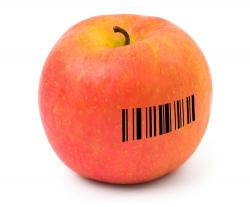
Have you ever wondered about the story behind your steak? What about the precise GPS co-ordinates of the orchard your apple came from, or how long ago the “fresh” seafood at your grocer was actually plucked from the sea?
Look closely at their labels. Some of your food is trying to tell you its tale, in code.
Savvy food companies, driven by the spate of high-profile recalls and an increasingly competitive market, have begun publicly flaunting their farm-to-fork “traceability”. Translated from industry jargon, that means their ability to trace and to catalogue, step-by-complicated step, the journey food takes from the moment it leaves the farm (or sea) until it arrives on a plate.
Neither the United States nor Canada has laws forcing food companies to maintain such systems, although they are compulsory in parts of Europe and Japan, where leading retailers are using traceability to cash in. In North America, exposing that information chain to consumers – and using it to court the most discerning – is a brand new marketing strategy. But U.S. companies are far outpacing their sluggish Canadian counterparts in experimenting with it.
To read the rest of the story, please go to: The Globe And Mail (Toronto, Canada).