
Cornell Cooperative Extension, NYS Apple Growers Partner On Innovation
May 22, 2017 | 1 min to read
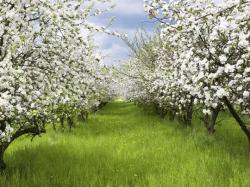
For optimal yield and fruit quality, apple growers in the United States have long relied on chemical solutions to generate spring blossom thinning to promote the growth of larger, higher-quality fruit by giving them less competition for carbohydrate. However, in the last couple of years, one of the apple industry’s go-to thinning chemicals, carbaryl, has come under fire from some retailers, which are prohibiting the chemical’s use on produce sold in their stores.
Equally alarming for growers, says Cornell Cooperative Extension’s Mario Miranda Sazo, an orchard management and mechanization specialist with CCE’s Lake Ontario Fruit Team, are continued whispers of potential U.S. ban on carbaryl. The carbamate insecticide has been outlawed in Europe since 2008.
“Growers in the Northeast are especially dependent on carbaryl – nearly all of them chemically thin in the spring using carbaryl in combination with either naphthaleneacetic acid or benzyladenine,” said Miranda Sazo. “Because of this region’s humid climate, removing a key contributor like carbaryl from current management practices could create obstacles for growers and make them less competitive.”
To read the rest of the story, please go to: Cornell Chronicle