
CEA Alliance Expresses Disappointment in Termination of Tomato Suspension Agreement
July 16, 2025 | 2 min to read
Washington, D.C. – The Controlled Environment Agriculture Alliance (CEA Alliance) is deeply disappointed that the U.S. Department of Commerce chose to proceed with the termination of the Tomato Suspension Agreement with Mexico, despite multiple U.S. agriculture and business stakeholders urging renegotiation of the agreement.
“Unfortunately, the Department failed to take into account the voice of our members in the U.S. greenhouse tomato industry, which now grows more than one-third of all U.S. fresh tomatoes,” said CEA Alliance Executive Director Tom Stenzel. “When the original dumping order was issued in 1996, the greenhouse sector was just beginning to grow, offering consumers better-tasting vine-ripe tomatoes compared with field tomatoes that are picked green.”
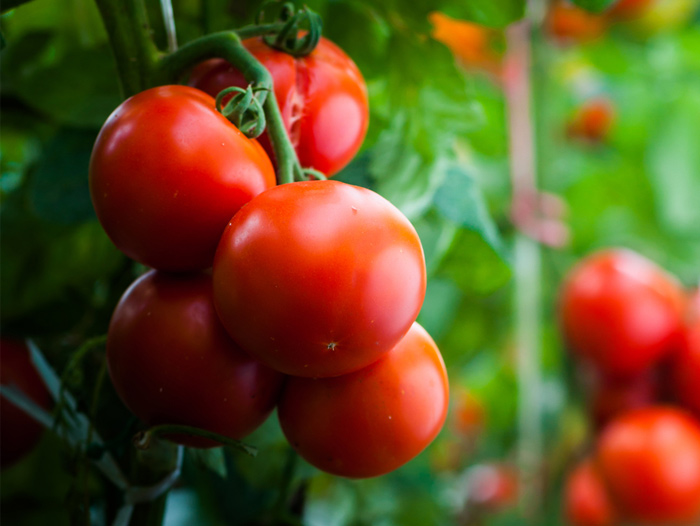
Today, greenhouse tomatoes dominate the retail supermarket sector, offering tomatoes still on the vine and a wide range of specialty tomatoes with great flavors and multiple colors. The U.S. Department of Agriculture reports that production of U.S.-grown greenhouse tomatoes increased 69% from 2010 to 2023, compared with a 49% decline in field-grown tomatoes. “U.S. consumers have voted with their dollars,” Stenzel said.
“Because most high-value greenhouse growers farm in Canada, the U.S. and Mexico, the termination of this agreement will cause significant damage to these growers, serving as a financial barrier to new investment in U.S. greenhouses,” he said. Unfortunately, this became a political issue that was not resolved on the facts of what would be best for American businesses and consumers.”
The CEA Alliance will continue to stress the critical importance of the U.S. greenhouse tomato industry. “We remain hopeful that open-field growers will reengage in discussions that could serve all parties much more effectively than this order,” he said.
The Controlled Environment Agriculture Alliance (CEA Alliance) is a membership trade association representing and serving vertical farms and greenhouse producers growing fruits and vegetables in a highly controlled indoor production environment. Controlled environment growers employ a variety of agricultural production methods and technology to create optimal growing conditions with rigorous environmental controls. Growers utilize innovative technologies such as hydroponics, aeroponics, aquaponics, and soil-based systems to grow a wide variety of fruits and vegetables.