
Where's The Beef? Why Consumers Are Buying Less Fresh Meat
May 7, 2015 | 1 min to read
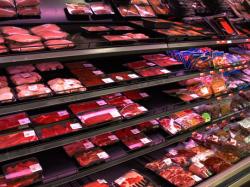
Due to recent pricing and supply issues, U.S. meat sales have gone out to pasture. While fresh meat is still a vital component of retail store health, accounting for 11% of store sales, consumers are shifting their purchasing behaviors and attitudes about meat as they assess the thickness of their wallets in light of these challenges.
While the compound annual dollar growth rate for fresh meat in the U.S. has increased 3% over the past five years, the growth was largely the result of rising prices. Comparatively, fresh meat volume sales have been flat, a notable contrast from the 5% rise in retail prices. And consumers aren’t blind to the trend. Key fresh meat categories like beef and pork are losing volume sales as prices continue to climb. Unfortunately, sluggish volume sales aren’t the only thing weighing down the meat department.
In fact, overall consumer visits to the meat department are declining—the opposite of what’s happening in other fresh departments. Notably, trips for fresh foods and household spend on fresh continue to increase across channels, but recent Nielsen research pertaining to price elasticity cites that trips for fresh meat have decreased 5% over the past year–and consumers are purchasing less volume per trip. A sobering 41% of respondents to a recent Nielsen survey said they are purchasing fresh meat less often because of higher prices, and 37% are buying less-expensive cuts of meat to offset rising costs.
To read the rest of the story, please go to: The Nielsen Company