
Whole Grains Council: Wheat – Don't Shoot The Messenger
October 24, 2013 | 2 min to read
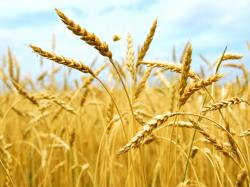
Twenty percent of the world’s calories come from wheat, according to the United Nations – a larger share than any other single food. Ever since our distant ancestors discovered that this grain could be mixed with water, left to ferment, then baked to airy, crusty perfection on hot rocks, wheat has been a cherished staple of diets around the world.
And yet a few popular diet books like Wheat Belly and Grain Brain now advise us to “Just Say No” to wheat, cutting it completely from our lives. In today’s blog, we’ll take a closer look at some of the fictions in these fad books and some interesting facts about modern wheat.
“Our wheat is GMO” – Nope.
It’s widely believed that today’s modern wheat is GMO (genetically modified). It’s not. In fact, US wheat farmers have been the loudest voices fighting against the introduction of any GMO wheat. ((Here's a 2010 article, in Reuters, that reports this concern, for instance.) Half the U.S. wheat crop is exported – and any GMO wheat in our food supply would dry up sales to other countries.
“Today’s wheat is higher in gluten” – Nope.
Glutens are proteins in wheat (and barley and rye) that help it stretch and rise into crusty loaves of bread. The wheat-naysayers claim that modern wheat has been bred to contain higher levels of gluten. Donald Kasarda, a researcher with USDA, reviewed data going back more than 100 years, and found no evidence that gluten levels have risen in wheat.
To read the rest of the story, please go to: Whole Grains Council