
Is White Or Whole Wheat Bread 'Healthier?' Depends On The Person
June 20, 2017 | 1 min to read
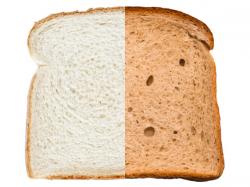
Despite many studies looking at which bread is the healthiest, it is still not clear what effect bread and differences among bread types have on clinically relevant parameters and on the microbiome. In the journal Cell Metabolism on June 6, Weizmann Institute researchers report the results of a comprehensive, randomized trial in 20 healthy subjects comparing differences in how processed white bread and artisanal whole wheat sourdough affect the body.
Surprisingly, the investigators found the bread itself didn't greatly affect the participants and that different people reacted differently to the bread. The research team then devised an algorithm to help predict how individuals may respond to the bread in their diets.
All of the participants in the study normally consumed about 10% of their calories from bread. Half were assigned to consume an increased amount of processed, packaged white bread for a week — around 25% of their calories — and half to consume an increased amount of whole wheat sourdough, which was baked especially for the study and delivered fresh to the participants. After a 2-week period without bread, the diets for the two groups were reversed.
To read the rest of the story, please go to: Cell Press