
High Temperature Rearing Led to Strong Salmon Growth at Sea
October 30, 2025 | 1 min to read
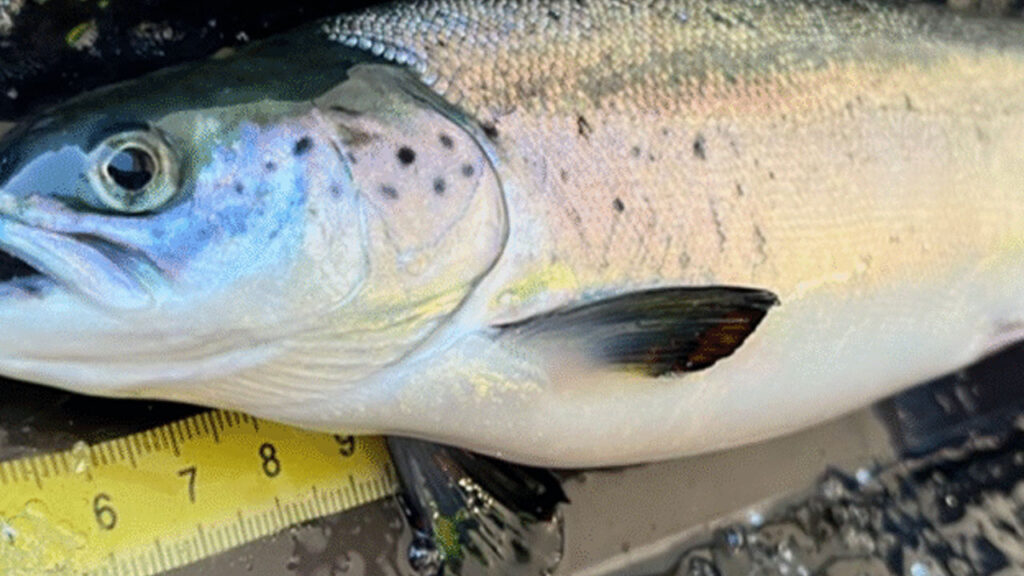
In a scientific trial, Atlantic salmon reared at different temperatures developed as expected — until transferred to sea water, when one group surprised the scientists from Nofima.
The aim was to investigate how temperature affects the health and development of salmon throughout their lifecycle. Temperature is a master regulator in fish biology, shaping their behaviour, physiology, health, welfare, and growth. Before salmon undergo smoltification — the physiological adaptation for life in seawater — temperature is a highly effective tool for managing growth rates.
In recent years, concerns have grown that the temperatures used during rearing may be too high. Possible adverse outcomes include poor heart health, and it has also been claimed that fast-growing parr (juvenile salmon) may not thrive after transfer to seawater.
To learn more, please visit Nofima.