
Predicting Loaf Volume of White Bread by Near Infrared Spectroscopy on Wheat Flour
July 31, 2025 | 1 min to read
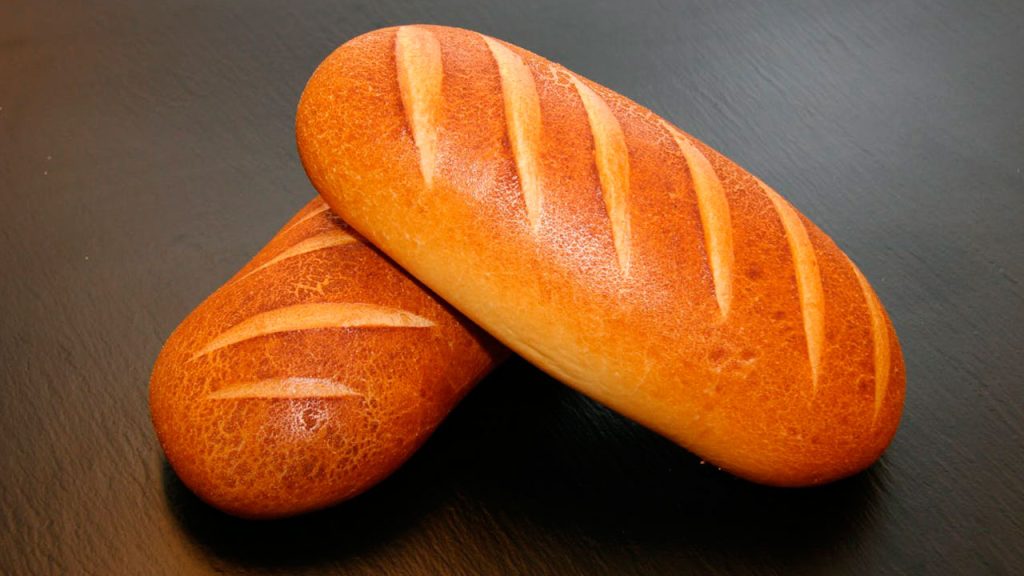
White bread is a worldwide consumed food product with significant nutritional value. The loaf volume of bread is a crucial parameter that influences its texture, appearance and consumer acceptability. Near Infrared Spectroscopy (NIRS) has shown significant potential in predicting the loaf volume of white bread, providing a faster and potentially more accurate alternative to time consuming traditional methods.
This study investigates the effectiveness of NIRS and Near Infrared Transmission (NIT) spectroscopy in predicting loaf volume based on wheat flour measurements using both benchtop instruments and a portable FT-NIR instrument. A set of 154 wheat flour samples, including both winter and spring varieties, was analyzed. The performance of NIRS and NIT models was compared with conventional flour analysis methods such as farinograph, alveograph, and rapid visco analyzer. The regression models based on NIR and NIT data demonstrated higher prediction accuracies comparable to traditional methods while significantly reducing both time and complexity of the analysis.
This study underscores the potential of NIRS technology to offer rapid and precise predictions of loaf volume, proving to be a valuable tool for baking producers of all scales. Furthermore, the availability of affordable and portable NIR devices makes this technology accessible for small-scale producers, enabling broader adoption across the baking industry.
To read the rest of the story, please go to: Science Direct