
Understanding Batter Behavior in Commercial Baking
July 21, 2025 | 1 min to read
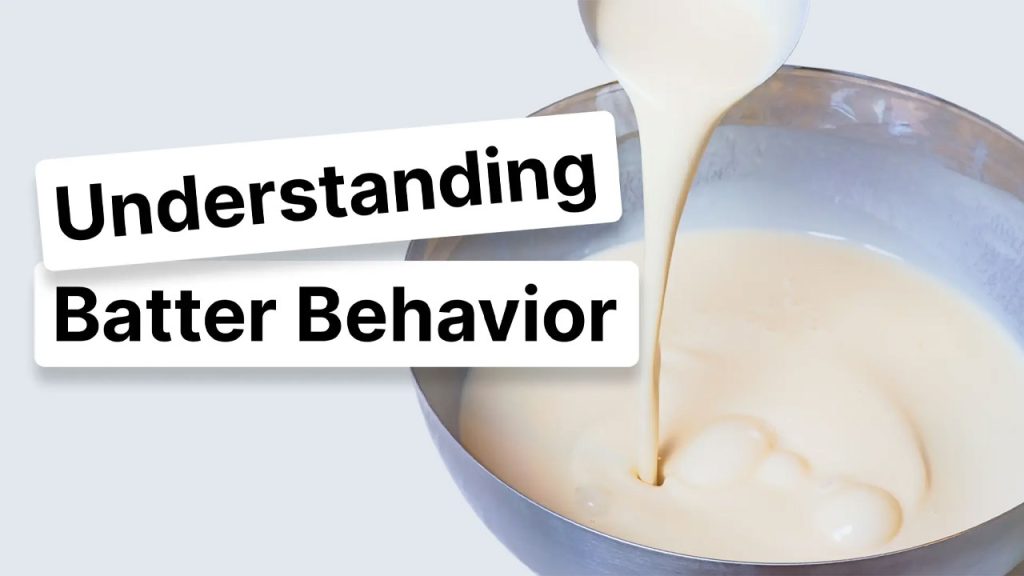
Batter-based products (e.g., cakes, pancakes, wafers, cake donuts, and more) are staples of high-volume food manufacturing. Yet, the science behind batter behavior is complex, and even slight variations can lead to significant differences in product quality, yield, and shelf life. This article explores the key factors influencing batter behavior, the challenges of monitoring it at scale, and how objective analysis tools can empower manufacturers to achieve consistent results.
Batter is a mixture of flour, water, and other ingredients (such as eggs, sugar, and fats) that forms the basis for many baked goods. Unlike stiff doughs, batters are typically pourable or semi-liquid and sticky.
In industrial/commercial bakeries, batters can also include functional ingredients such as enzymes, emulsifiers, hydrocolloids, and preservatives, which can affect the final product. This makes their behavior during the process especially sensitive to small changes in formulation or process.
To read more, please visit KPM.