
From Local to Global: The Popular and Solidarity Economy Represents 9.1% of Ecuador’s GDP
July 17, 2025 | 2 min to read
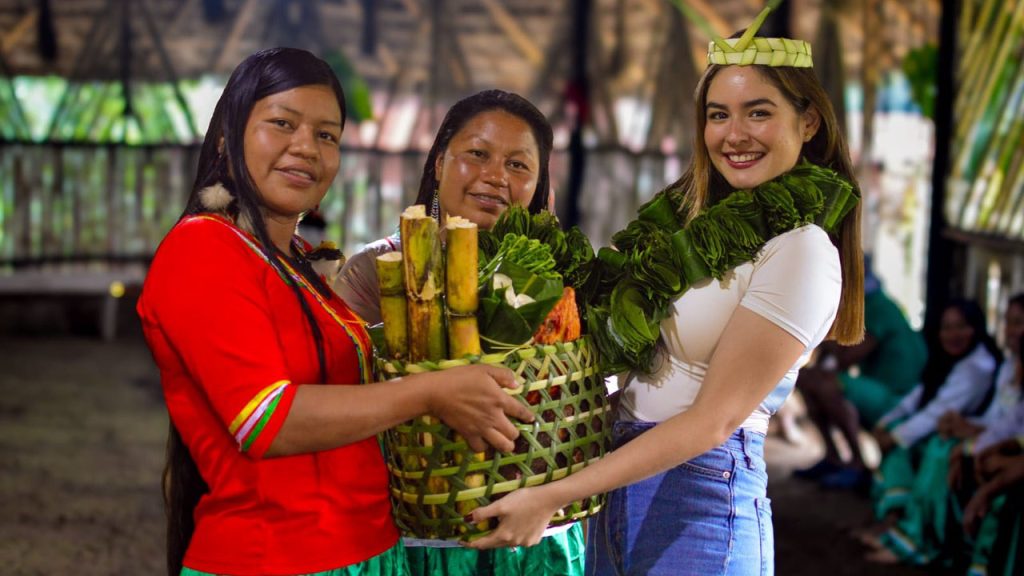
In Ecuador, the National Institute of Popular and Solidarity Economy (IEPS) promotes an economic transformation centered on people and their communities. Through the Popular and Solidarity Economy (EPS), the country is advancing a productive model based on solidarity, cooperation, and respect for nature, one that generates wealth with equity.
Far from being marginal, the EPS now represents 9.1% of Ecuador’s Gross Domestic Product (GDP) and encompasses more than 17.000 active organizations with over 546.000 members. In the agricultural sector alone, over 6.100 organizations are grouped together, followed by the service (3.300), textile (2.000), transportation (1.900), and food (1.800) sectors — reflecting the model’s capacity to adapt to diverse economic activities based on local realities.
This versatility has established the EPS as a key player across all productive sectors in the country. With state support, access to financing, training, and market linkages, the IEPS — under the leadership of Arianna Burgos, its General Director — is positioning this model as a strategic driver of sustainable and inclusive development in Latin America.
National Supply with International Reach
The associations and cooperatives that make up this ecosystem have proven their competitiveness on the global stage. Products such as organic bananas, barraganete plantains, guayusa, quinoa, dried cocoa, and snacks made from cassava, potatoes, and plantains are now part of Ecuador’s export offering.
These organizations have successfully entered a range of international markets — including the Netherlands, Italy, the United States, the United Kingdom, Germany, Belgium, China, and France — and are recognized for their quality, traceability, and commitment to sustainability.
2025 in Figures
Institutional management is reflected in tangible results:
• 16.000 people trained
• USD 1.3 million in financing provided to enterprises
• USD 107 million in total sales achieved
• USD 20 million allocated to productive subprojects through non-reimbursable funds (financed by the World Bank)
Success Stories
In Macas (Morona Santiago), Villa Vainilla is dedicated to the technical cultivation of natural vanilla under glass, transforming it into extracts, desserts, and aromatic beverages. This family business has successfully connected with specialized markets, generating employment and adding value with a distinct Amazonian identity.
Asosapaz (Puyo-Pastaza) leads an associative model for cocoa powder processing that combines ancestral knowledge with market-oriented quality practices. Its product, Amazonian millenary cocoa, is already recognized as a distinctive reference for origin and sustainability. The Waylla Panka community, located in the Archidona canton (Napo province), stands out for its commitment to sustainable community tourism.
The Popular and Solidarity Economy is consolidating its role as a strategic sector within the national productive apparatus. Its ability to generate employment, strengthen value chains, and access international markets positions it as an efficient and sustainable alternative for the country’s economic development.