
How Climate Change Ties to World Chocolate Output and Higher Prices
November 27, 2024 | 1 min to read
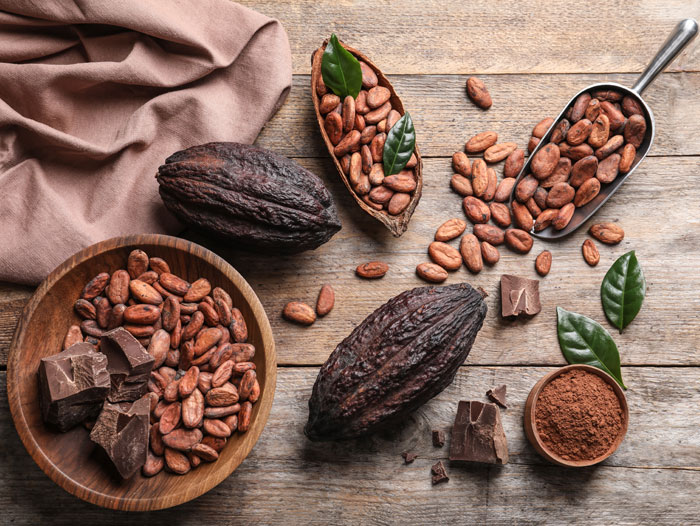
Environmental disruptions due to climate change are causing cacao trees to die, raising chocolate prices and underscoring the need for sustainable cocoa efforts in the U.S. and Europe.
Higher temperature patterns alone or combined with more humidity from rain are changing environmental characteristics in a 40-degree wide area around the Earth where cocoa beans typically grow. The trees can be found in an area 20 degrees above and below the equator.
Within this tropical band, the world’s cocoa farmers mostly live in Brazil, Cameroon, Côte d’Ivoire, the Dominican Republic, Ecuador, Ghana, Indonesia, Nigeria and Peru. Together they produce about 90% of the globe’s cocoa beans, numbering about five million tonnes annually, according to the Swiss Platform For Sustainable Cocoa.
To read the rest of the story, please go to: Forbes