
Maryland Oyster Survey Reveals Remarkable 2023 for Oyster Reproduction
January 24, 2024 | 2 min to read
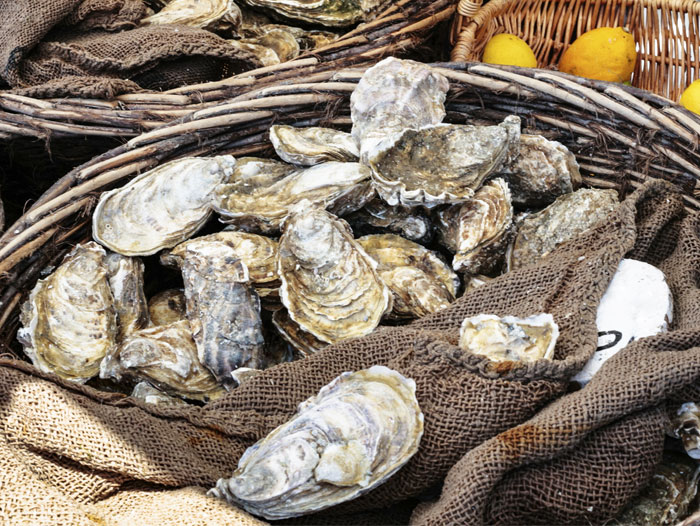
The Maryland Department of Natural Resources announced the results of its fall oyster survey, recording another strong year for juvenile oysters in Maryland. The survey measures the population status of oysters in the Chesapeake Bay, specifically spatfall intensity and reproductive success. This marks the fourth consecutive year of above-average results for oysters in Maryland.
The 2023 survey found spat was broadly distributed, including in parts of the Bay that are typically too brackish for strong oyster reproduction. This is likely due to the year’s below average rainfall.
Allison Colden, the Chesapeake Bay Foundation (CBF)’s Maryland Executive Director, said in a statement:
“CBF is encouraged by this year’s above average spat set, especially given this is the fourth year in a row.
“The trend in recovery is likely linked to below average rainfall, which is associated with higher salinity and better oyster reproduction. However, long-term, extensive restoration efforts by state and federal partners can also contribute to cleaner water and increased oyster reproduction throughout the state.
“While optimistic, we urge the state to continue closely monitoring disease-related mortality in oysters, which can increase with higher salinity. We also encourage responsible management of the oyster fishery, including ensuring these population gains are not undermined by overfishing, particularly in areas of the Bay where chronic overfishing is rampant.”