
Young Salmon May Face Hungry New Competition from Juvenile Sablefish along Northwest Coast
January 13, 2025 | 1 min to read
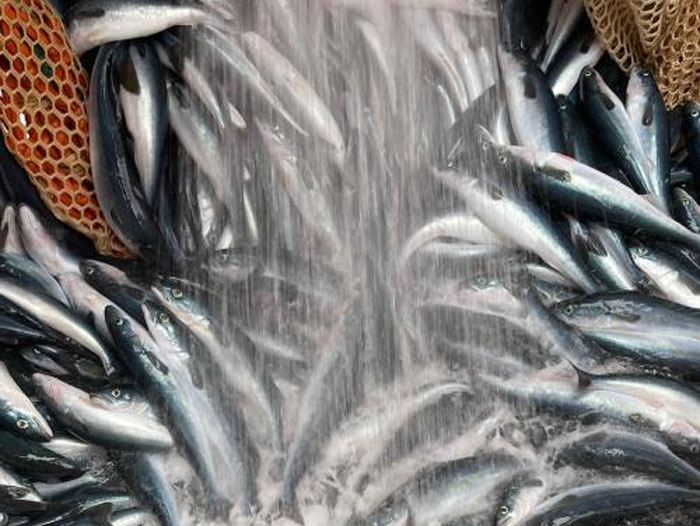
Sablefish eat larger prey for their size than salmon, and a lot more of it.
There is a new mouth to feed in the coastal waters of the Northwest where juvenile salmon first enter the ocean, and it’s a hungry one.
Over the last two decades large numbers of juvenile sablefish have increasingly spread into coastal waters from central Oregon north to northern Washington. New research published in the journal Marine and Coastal Fisheries shows the influx follows the warming of ocean temperatures off the West Coast. It matches reports of fishing boats catching more small sablefish closer to shore.
The finding means that salmon may face new competition from sablefish at a critical time in their life cycle, which is already at risk from climate change. Adult sablefish live for many years in deep offshore waters along the ocean floor. Juvenile sablefish—like young salmon— first feed and grow along the highest layers of water near the surface that teem with life. Sablefish are voracious eaters, often consuming large prey and lots of it.
To read the rest of the story, please go to: NOAA