
White House National Science and Technology Council Finalizes New Aquaculture Plan, First in 40 Years
December 19, 2024 | 1 min to read
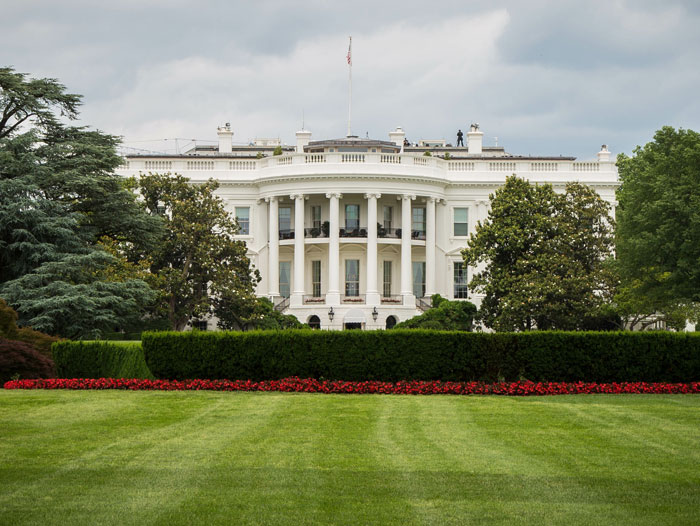
In addition to providing a sustainable source of American-raised seafood, aquaculture plays an important role in fisheries restoration.
For the first time since 1983, the United States is releasing an updated National Aquaculture Development Plan. It will strengthen U.S. commitment to food security, climate resilience, and the protection of threatened and endangered marine and freshwater species.
In a changing climate, aquaculture is becoming increasingly important as a climate-smart and healthy means of food production. Seafood farming, if done responsibly—as it is in the United States—is one of the most environmentally sustainable ways to produce healthy food.
To learn more, visit: NOAA Fisheries