
Transplanted Bees Help Blueberry Fields Flourish
July 12, 2024 | 1 min to read
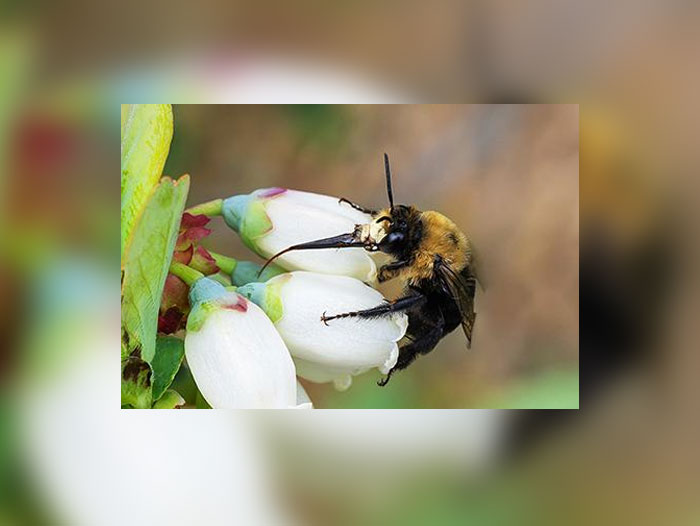
Pollinating bees are in decline, and those that remain may not be up to the task of pollinating all the crops needed to feed the nation. To help keep food on the table, researchers are looking to native wild bees to take up the slack, especially for blueberries and other fruit crops.
“Honeybees are considered a universal crop pollinator worldwide, but their populations are in trouble, and they do not always pollinate certain crop plants efficiently,” said Blair Sampson, entomologist with the Agricultural Research Service’s Southern Horticultural Research Laboratory in Poplarville, MS. “Therefore, we [are turning] to wild native bees that share a much longer ecological history with our native North American crops.”
To read the rest of the story, please go to: USDA Tellus